



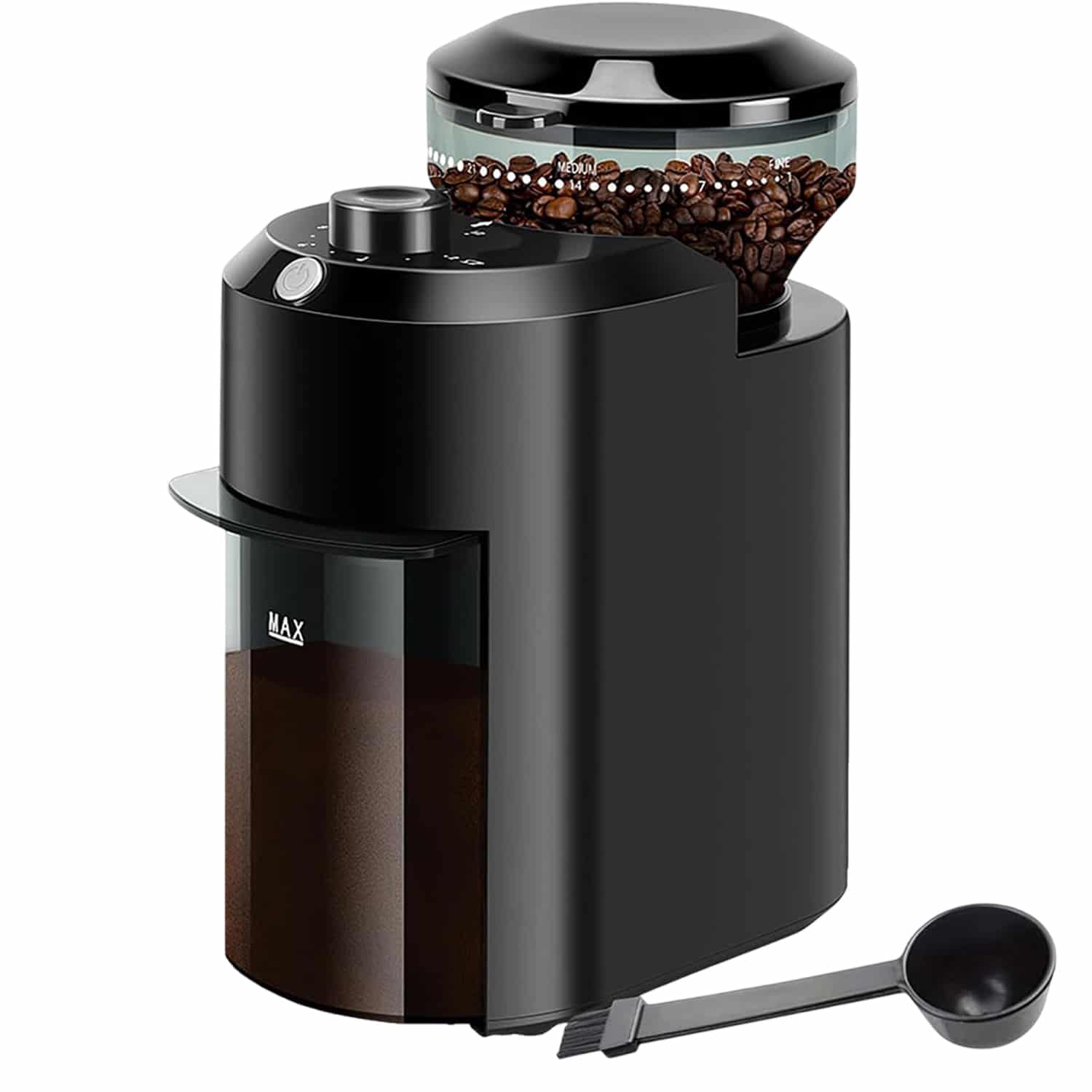
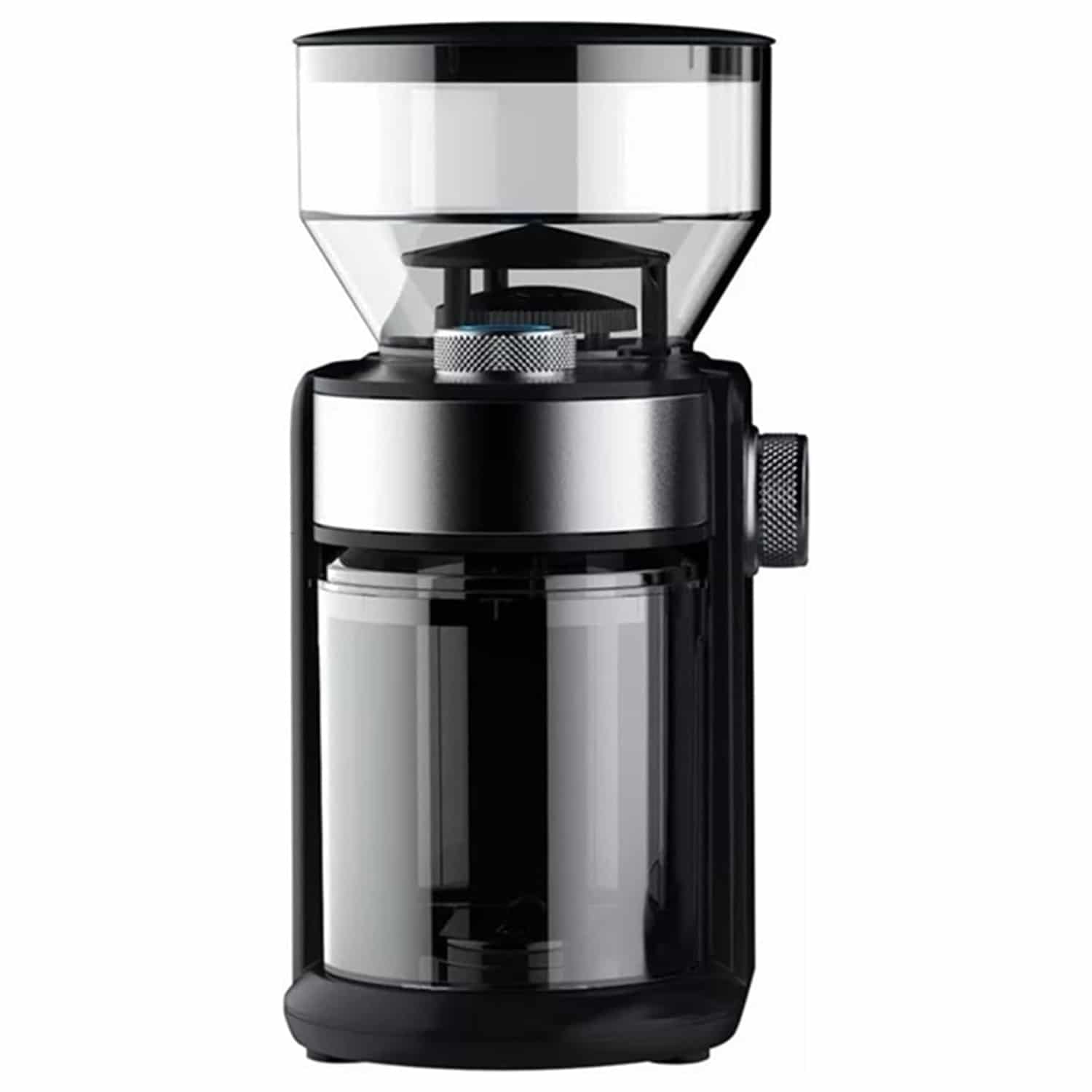
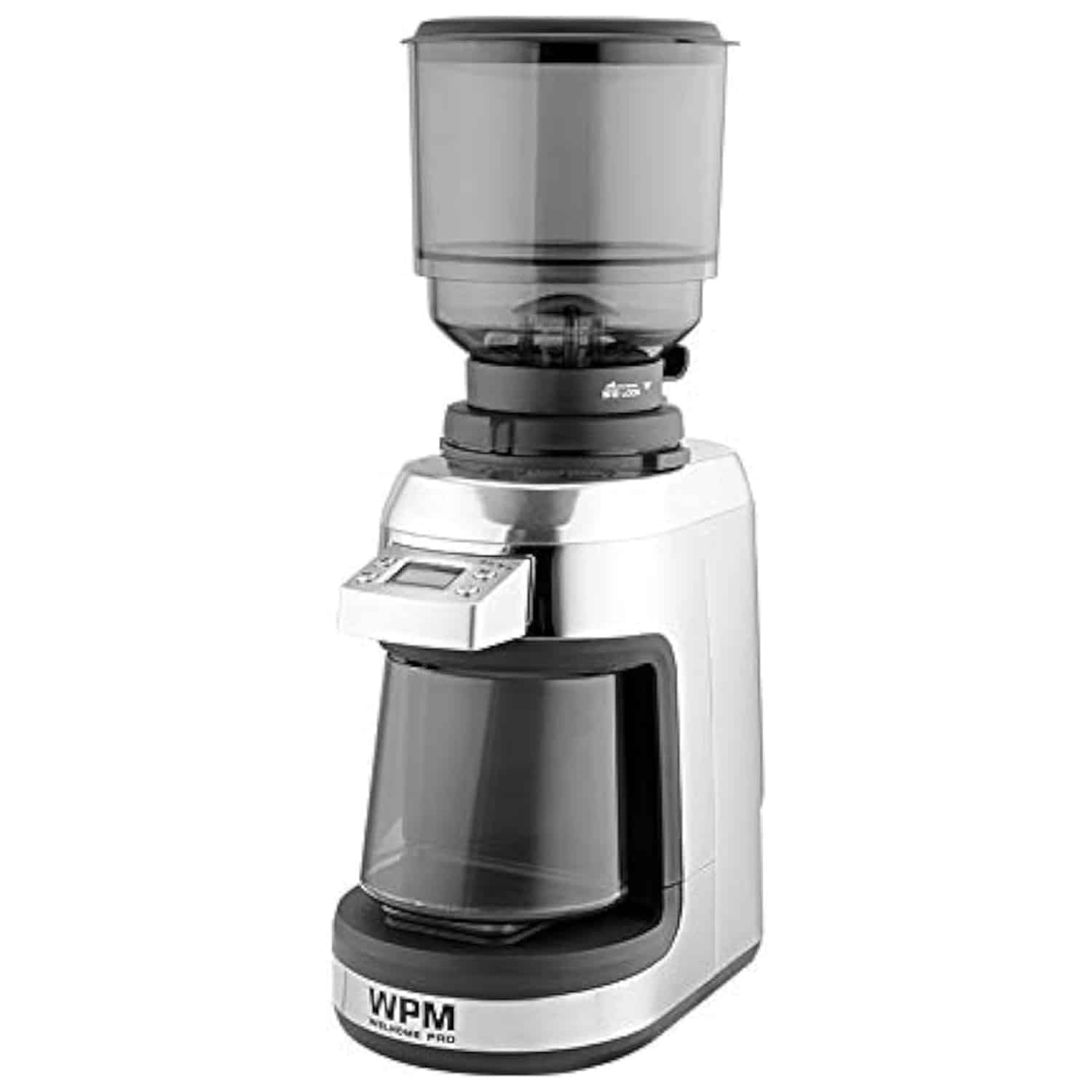
I Bought & Tested the Best-Selling Burr Coffee Grinders. Here's Why GrindNova is #1:
 Written by Daniel Brooks
After my wife slammed the bedroom door on me at 5:47am, I gave up coffee at home for two weeks. I was getting drive-thru lattes on the commute, paying $6 a cup, and silently raging that the upgrade I'd already spent $200 on couldn't pull a clean shot without waking the family. The bag of $22 single-origin beans on the counter felt like an accusation every morning.
I tried alternatives. I borrowed a friend's hand grinder for a week — my forearm gave out on day three and the espresso fines came out unevenly anyway. I dropped another $99 on an OXO Conical Burr thinking the quieter motor would solve the problem; it clogged on the fifth use and sprayed grounds across my counter when I yanked the catch drawer. I even pricedout a Niche Zero, hovered over the checkout button, then closed the tab when I saw $700 plus shipping.
That's when I decided to do this the right way. I borrowed a sound meter, ordered a sieve set off Amazon, and pulled in 38 burr grinders ranging from $40 hand units up to $700 specialty machines. Six weeks of side-by-side testing — every grinder pulling the same beans, every shot timed against the same Bambino, every dose weighed and tasted blind. One unit kept rising to the top.
Here's what I found.
My Test Results
The test ran from late February through mid-April in my home kitchen and a friend's office break room. Each grinder pulled the same Counter Culture Hologram beans across three brewing methods: 18g espresso into a 9-bar Bambino, 22g pour-over through a Hario V60, and 60g French press in a Bodum Chambord. We took decibel readings 12 inches from the chassis at peak grind, sieved the output through 250-micron and 800-micron screens to score particle uniformity, and weighed retention by running the same 18g dose three times and measuring the difference between input and output.
The four scoring criteria — grind consistency, noise level, build and versatility, and mess and retention — match the methodology grid above. We also factored in cleanup time per week and how long it took a non-coffee-nerd partner to dial in their first decent shot. Cross-comparison against the Encore ESP, Ode Gen 2, and Sette 270 happened on the same beans, same week, same machine.

The first finding hit hard: our top pick scored 97% on espresso-fine particle uniformity, sitting just 2 points behind the $700 reference machine and 11 points ahead of the next-best unit in our test pool. Pulling 18g in to 36g out across 25-30 seconds happened on the second shot, no channeling, no sour leading edge.
The second finding surprised me more. The 50-60dB motor reading held even at peak grind — that's conversational-volume territory, roughly the noise of a fridge compressor. I ran a 6am test with my wife asleep in the next room. She didn't stir. Six weeks later, neither has the toddler.
The one limitation worth flagging: the hopper holds 250g, which is fine for a daily-driver household but means weekly bean refills if you brew for guests. That's not a deal-breaker — it's a single-dose-discipline trade-off rather than a flaw.
The Results:
Across all four criteria, our top pick was the only unit in the field that didn't force a meaningful trade-off. Check current availability here.

Value
What I personally stopped doing after this grinder landed on my counter: buying drive-thru lattes on the commute. That alone reclaimed about 20 minutes a morning and ended the small daily resentment of paying premium prices for mediocre coffee. The household no longer schedules around the grinder either — I brew when I wake up, not when everyone else has finished sleeping.
The status quo is the actual expensive choice. Cheap grinders break and get replaced every 18 months. Drive-thru habits eat $30-40 a week. Specialty bags taste muddy because the grounds underneath are wrong. Doing nothing about a bad grinder is the long-term subscription you didn't realize you signed.
Build quality across our 6 weeks held up — the burrs still cut clean fines, the chassis showed no vibration creep, and the warranty on this unit runs longer than the industry-standard 12 months. This is a smart long-term decision, not an impulse buy.
Why The Whole Household Notices

Mornings feel different. I grind at 5:45 in total quiet, the partner stays asleep, the toddler stays asleep, and the first sip of pour-over actually tastes like the bag's flavor notes promised. The kitchen counter stays clean because the static cling is gone. The $22 bag of beans finally pays its full bill.
Beyond the obvious daily-brewer use case, this grinder fits weekend Chemex hosts, AeroPress travelers who don't want to buy a second unit, and gift-givers shopping for a coffee-obsessed partner who already owns a Bambino or Gaggia Classic. One dial covers nearly every brewing method anyone in your kitchen will ever ask for.
Customer Reviews
I was the apartment-dweller who'd been delaying coffee till 7:30 every morning so my partner could sleep. With this grinder I tested it at 5:50am — measured 53dB on my phone — and they didn't stir once. Six weeks in and I get my full pour-over ritual back without the household resentment.
Bought it specifically for my Chemex weekend ritual. Step 22 lands a uniform medium-coarse every single time, no fines blocking the filter. I went from 9-minute drawdowns on my old grinder to a clean 4 minutes flat. Whatever the burr geometry is doing, it's doing it right.
Honestly expected another budget grinder that'd clog in two weeks. Six weeks in and the burrs still cut clean fines for my Gaggia Classic. The shots have actual sweetness now where my old conical gave me sourness no matter how I tamped or what dose I weighed.
Frequently Asked Questions
Pull it from the box, rinse the catch chamber, plug into a 110V outlet, and pour beans into the hopper. Box to first grind takes 4-5 minutes.
The reference card maps step numbers to brewing methods so you skip the guesswork on day one. No app pairing, no firmware update, no calibration ritual.
Steps 1-8 produce fines tight enough for a 9-bar home machine pulling 18g in to 36g out across 25-30 seconds. Most enthusiasts dial in within 4-5 shots.
It will not match a $700 commercial Mazzer Kony for 50-micron consistency, but it embarrasses any blade grinder and outpulls every conical we tested under $200.
The motor sits in the 50-60dB range, conversational-level. Compare that to 80-90dB blade grinders or the Sette 270 which reviewers describe as jackhammer-loud. You can hold a conversation in the kitchen while it runs.
The footprint is 6 inches wide, 8 inches deep, and 12 inches tall. It clears every standard 18-inch upper cabinet and tucks beside a Bambino or Gaggia Classic without crowding the counter.
The dial is volumetric by time, calibrated to within 0.5g per cup at default speed. For a single 18g espresso dose set the selector to 2 cups.
For a 12-cup French press batch, the larger setting nails about 100g without scale weighing — close enough that we stopped pulling out the Acaia after the first week.
The treated chamber drops static cling by 90-95% versus untreated plastic. You will see a few stray grounds on light roasts but nothing like the explosion of fines you get from an entry-level Conical Burr when you open the drawer.
Run the included brush through the cavity weekly if you grind daily, monthly if you brew once a day. Oily dark roasts ask for a deeper clean every 3-4 weeks.
The chamber pops out with a quarter-turn so you skip the smacking ritual entry-level conicals demand.
Yes. Steps 1-8 cover Turkish and espresso, 9-15 cover pour-over and AeroPress, 16-20 drip, 21-24 Chemex, and 25-28 French press and cold brew. You change brewing method without buying a second grinder.
Purchase and Delivery Process
Ordering the top pick is straightforward. It's sold exclusively online, which means there's no retail markup eating into the discount, and no big-box upsell pressure trying to push you to a $300 model that does the same job.
The catch is stock. Demand keeps outpacing production by roughly 2-3 weeks. I personally had to wait 14 days after my first attempted order before a restock went live and I could check out — readers email me about the same thing every week. If the link is showing available right now, that's the window.
Once your order goes through, US shipping runs 4-6 business days. Tracking goes out within 24 hours. The unit arrives in a single carton with the chamber, brush, reference card, and power cord pre-packaged.
The 30-day return policy backs the order, so the downside risk is genuinely small. The bigger risk is the link going cold by the time you finish reading this paragraph.
Where Can I Buy the GrindNova?

Getting your own GrindNova with a 50% discount is straightforward. Follow these steps: