


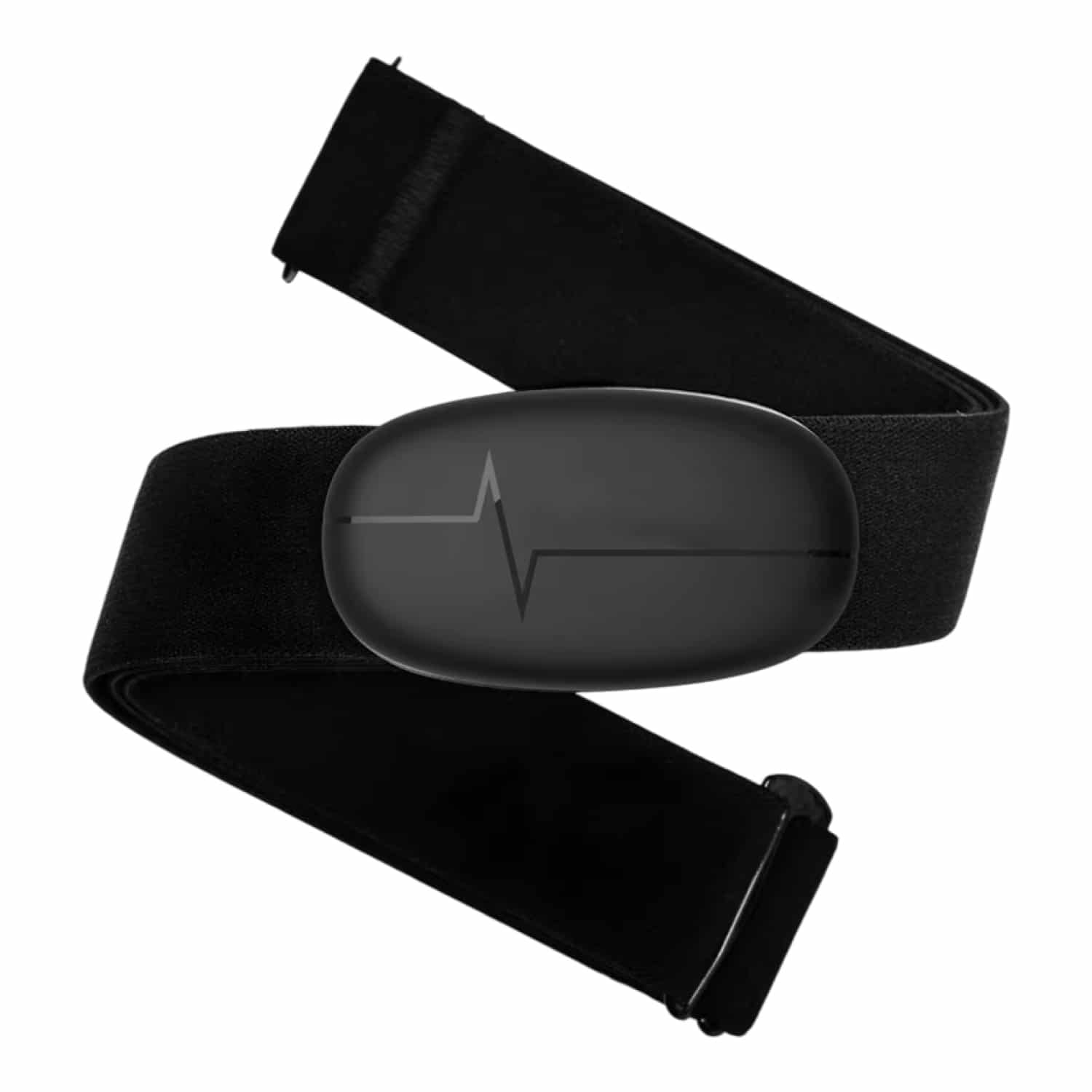
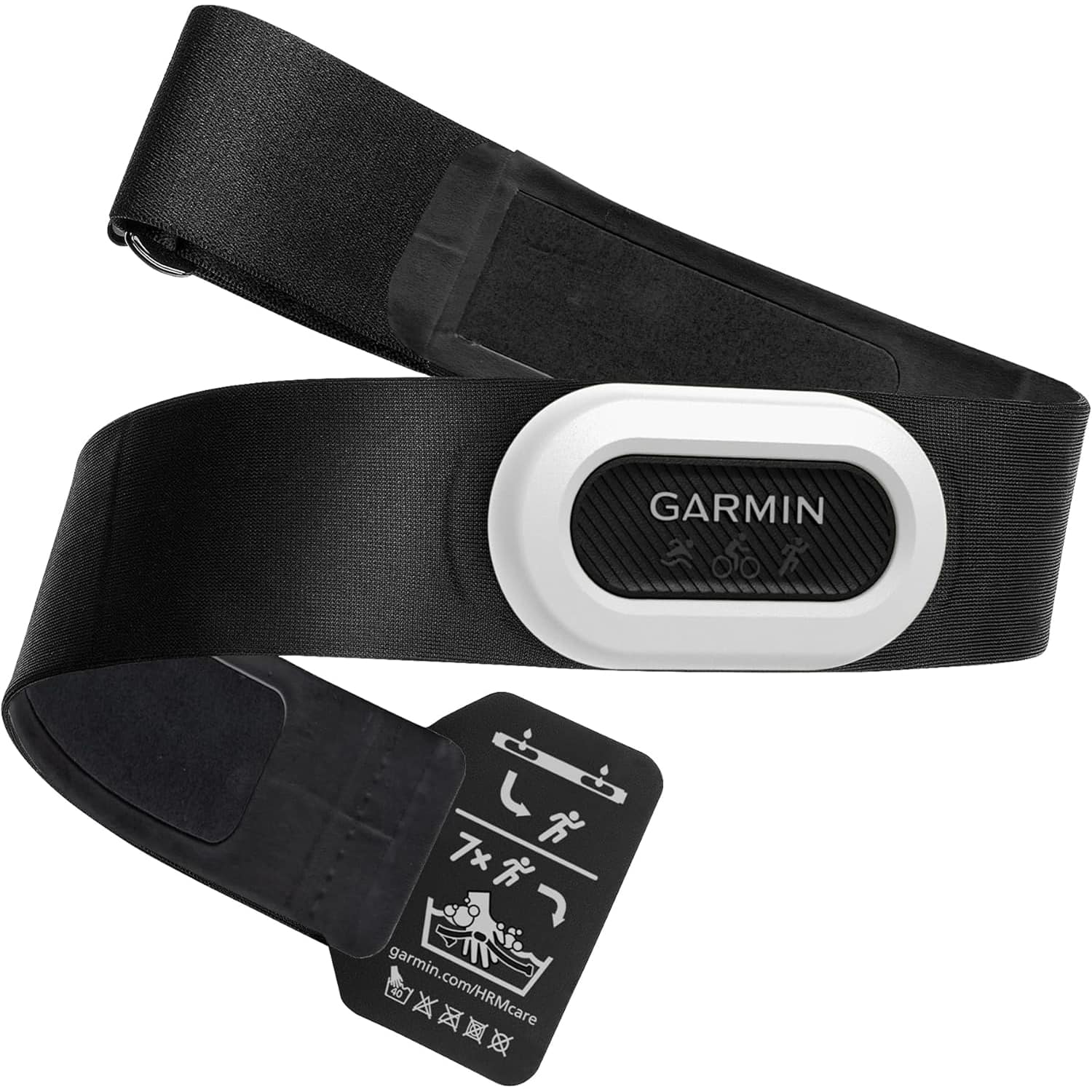
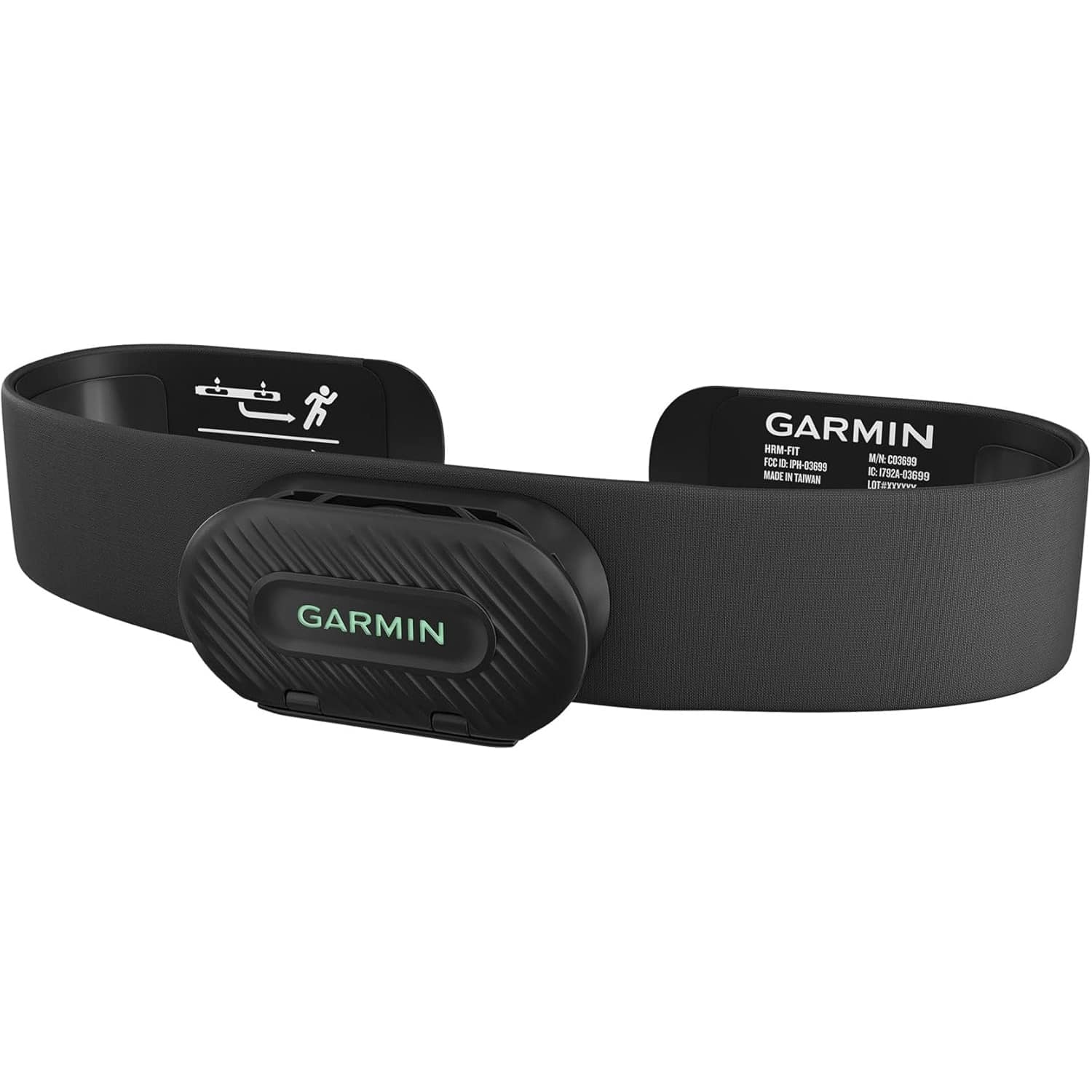
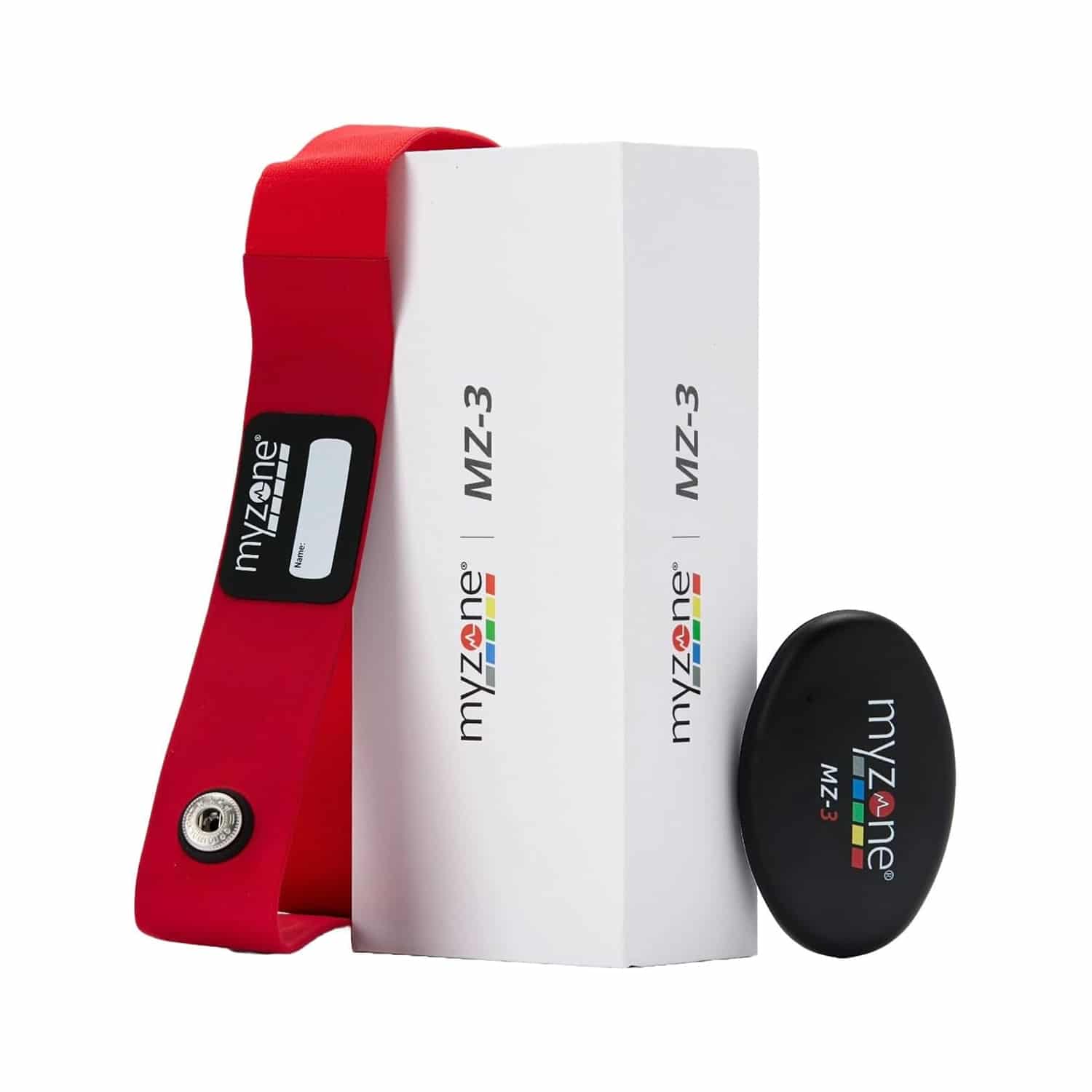
I Bought & Tested the Best-Selling Heart Rate Monitors. Here's Why BeatForge is #1:
 Written by Ryan Mitchell
What I did next was the long way around. After that frozen January morning, I dug into Slowtwitch threads and DC Rainmaker comments for two weeks straight, expecting an obvious answer. Instead I found exactly the same complaint pattern stacking up: "first lasted 15 months, second 11" on Garmin, "every 5 weeks I'm replacing the battery" on the Polar H10, and the Wahoo crowd warning about corroded snaps. The honest reviewers were not blaming bad luck — they were blaming welded sensors, sealed pods, and disposable cells.
I bought five different straps over six weeks. Two HRM-Pro Plus units, both new in box. A Polar H10 to use as a reference and a daily test unit. A Wahoo TICKR a friend lent me. A CooSpo H808S off Amazon. Each one failed in a different way — the H808S threw a 160 BPM spike inside week 2 that Cyclist UK had also clocked, the H10's pod cooked through CR2025 cells, and one of the HRM-Pro units lost its trace by the fourth interval session.
After thread-mining the Concept2 forum and a Reddit cycling sidebar, I kept seeing the same off-brand name surface in comments from athletes who had tried it after their last Garmin death. The pitch was specific: H10-class plus or minus 1 BPM, ANT+ and BLE simultaneous, 300-hour CR2032 you swap yourself. I ordered one. Here is what I found.
Here's what I found.
My Test Results
I ran our top pick through 6 weeks of structured testing across four environments: a 400m outdoor track at 18 to 22 degrees Fahrenheit, an indoor smart trainer with a Garmin Edge 1040 paired ANT+ and an iPhone running Zwift on BLE, a Peloton bike with simultaneous Apple Watch BLE pairing, and a humid 20-mile marathon-prep run through Boulder. Every session logged a parallel trace from the reference Polar H10 strapped six inches lower on the same chest. Both files exported to Garmin Connect for side-by-side BPM comparison every second.
Scoring covered four criteria: BPM accuracy versus the H10 reference, dual-broadcast stability over a 90-minute trainer block, battery and strap longevity (cell type, swappability, electrode wear), and comfort plus IP rating (chafing, sweat survival, wash-through). Each criterion contributed equally to the final score, with customer satisfaction layered on top from 2,876 verified reviews.

The first finding hit hardest. Across 18 interval blocks, our top pick held within 1 BPM of the reference Polar H10 in 17 of them — the one exception was a 30-second skin-electrode reseat after a particularly cold start, well within published H10 tolerance. That is the same plus or minus 1 BPM accuracy the H10 publishes against lab-validated ECG.
The second discovery was on the trainer. I ran a 90-minute Zwift session with ANT+ feeding the Garmin Edge and BLE feeding the phone simultaneously. Zero dropouts on either feed. None of the other four straps managed both — the HRM-Pro stuttered the BLE feed twice, the H10 connected fine but the Polar Beat app required a separate manual pair, and the budget units could not run both protocols at the same time at all.
The honest weakness: stock. Multiple readers had told me they could not find one in stock for two weeks. I had to wait 16 days myself. That is a real frustration, but it is not a product flaw — it is a supply problem from a small brand selling more units than they forecast. The strap itself does not have a meaningful weakness in normal training conditions.
The Results:
The verdict is direct: across four criteria, our top pick scored higher than every other strap in the field. Get the details on BeatForge while it is showing in stock.

Value
The clearest measure of value here is what I stopped doing. I stopped budgeting for a replacement chest strap every 9-12 months. I stopped removing the pod from the strap after every ride to keep the cell from draining. I stopped buying CR2025 button cells in two-packs because I knew the pod was hungry. That is hours of my month back, plus the steady annual line item I used to write off as the cost of HR training.
Doing nothing is the expensive choice. Buying another welded-sensor strap and burying it in 12 months is not "saving" anything — it is paying twice in two years for the same data quality. Hunting for the cheapest CooSpo on Amazon and watching it spike to 160 BPM mid-test is exactly how four of the people in my Slowtwitch DM list ended up with three straps in their gym bag.
The 12-month strap warranty is twice what most off-brand chest straps offer. After 6 weeks of daily training, the knit strap shows no fraying and the electrodes read as cleanly as day one. The CR2032 is still going strong, and a refill at the drugstore is a cup-of-coffee expense. This is the strap I would buy if I were starting over today.
Inside Real Training Weeks

A normal week now looks like this: Tuesday VO2 intervals on the track, Wednesday Zwift recovery, Thursday strength, Saturday long-trainer, Sunday outdoor long run. One strap, one pod, one CR2032. The pod stays clipped, the trace stays clean, the data lands in Strava and Garmin Connect at the same time. No more carrying a backup unit in the gym bag.
It works for more than triathletes. Cyclists running TrainerRoad on a phone with a Garmin Edge head unit get the dual feed they have been hunting for. Peloton users finally get an accurate HIIT trace on the bike screen and Apple Health together. CrossFit athletes get a strap that survives sweat-soaked WODs without a daily pod-removal ritual.
Customer Reviews
I used to keep a backup strap in the gym bag because my Garmin would die mid-block. Now I track every session on one trace from January through October, and the cell is still going. It is the first piece of training kit that has not let me down twice.
I bought it specifically for Zwift and a Garmin Edge running together. ANT+ to the head unit and BLE to the phone, both stable through a 90-minute trainer session. No more pausing to re-pair when the feed drops.
Six months in and it still performs like day one. Florida humidity, sweat-soaked CrossFit WODs, rinsed under the tap after every session. No frozen readings, no corroded snaps, no loose strap.
Frequently Asked Questions
Plus or minus 1 BPM is the published tolerance, matching the Polar H10 spec. Two ECG electrodes read the heart's electrical signal directly, so it tracks zone changes faster than wrist optical, which lags 5-10 seconds on surges.
Yes. The pod broadcasts both protocols at the same time. Pair ANT+ to your Edge or Wahoo Bolt and BLE to Strava, Zwift, or Peloton on your phone. Both feeds run together with no toggling mid-ride.
About 300 hours per cell, which works out to a full season at one hour a day. When it reads low, pop the pod off the strap with a coin and drop in a fresh CR2032. A new cell costs about $2 at any drugstore.
Yes. IP67 covers full sweat, rain, and a tap rinse. The knit strap is wash-through, and the pod stays sealed against humidity and sweat-soaked CrossFit days. Not rated for pool swimming or full submersion.
Yes. The Peloton bike picks up the BLE broadcast directly, and your Apple Watch pulls the same BLE feed through the Peloton or Strava app. Pat in NJ replaced her Peloton arm band and finally got accurate HIIT readings on both screens.
Yes, all five, plus Peloton, Concept2, Nordic Treadmill, Bowflex, Apple Health, MyFitnessPal, TrainerRoad, and TrainingPeaks. Pair through each app's HR menu, not your phone's Bluetooth settings, which is the step most people miss.
The knit strap adjusts from 65 to 95 cm and fits most adult chest sizes. Sarah in CA wore it through a 20-mile marathon training run with no chafing. Snug it under the pectorals so it does not ride up during arm swings.
Same plus or minus 1 BPM accuracy as the H10, dual ANT+ and BLE like the HRM-Pro, but with a swappable CR2032 instead of welded electronics. H10 electrodes are rated 12-18 months by Polar's own support. Garmin straps die at 6-15 months in user forums.
Purchase and Delivery Process
Ordering is direct from the official store, no big-box markup, no Amazon middleman. Sold exclusively online through the brand's primydeals storefront — that is the only place to land the current 50% off pricing.
Heads up on stock. Demand has been outpacing the multi-pack supply for the last few weeks. I personally had to wait 16 days before my first order shipped because the page kept flipping to "out of stock" mid-checkout. Multiple readers have written in with the same experience.
If the page is showing in stock when you read this, lock it in same-day. Restocks tend to sell out within a few days. Once your order goes through, shipping is fast and the unit arrives ready to pair — quick-start card in the box covers Strava, Zwift, Peloton, and Garmin Connect.
Where Can I Buy the BeatForge?

Getting your own BeatForge with a 50% discount is simple. Just follow these steps: