


I Bought & Tested the Best-Selling Blackhead Removers. Here's Why PoreNova is #1:
 Written by Dr. Rachel Hartman
After that hotel mirror moment, I went home and did what any frustrated person does first — I doubled down on the routine that had failed me. Three weeks of pore strips back-to-back, two new clay masks, a salicylic cleanser that promised "results in 4-6 weeks," and a $34 second-tier Amazon vacuum that had better reviews than the first. By the end of that month my T-zone was raw and the strawberry-nose effect had crept back across my chin.
What broke the loop was a tester friend who is a working esthetician. She told me the entire problem with cheap pore vacuums is not that they are too weak or too strong — it is that they have no granularity, so the same suction that finally pulls a stubborn nose blackhead is the suction that bruises your cheek. The fix was not finding a more powerful device, it was finding one with a real level dial and an LED that tells you which level you are on.
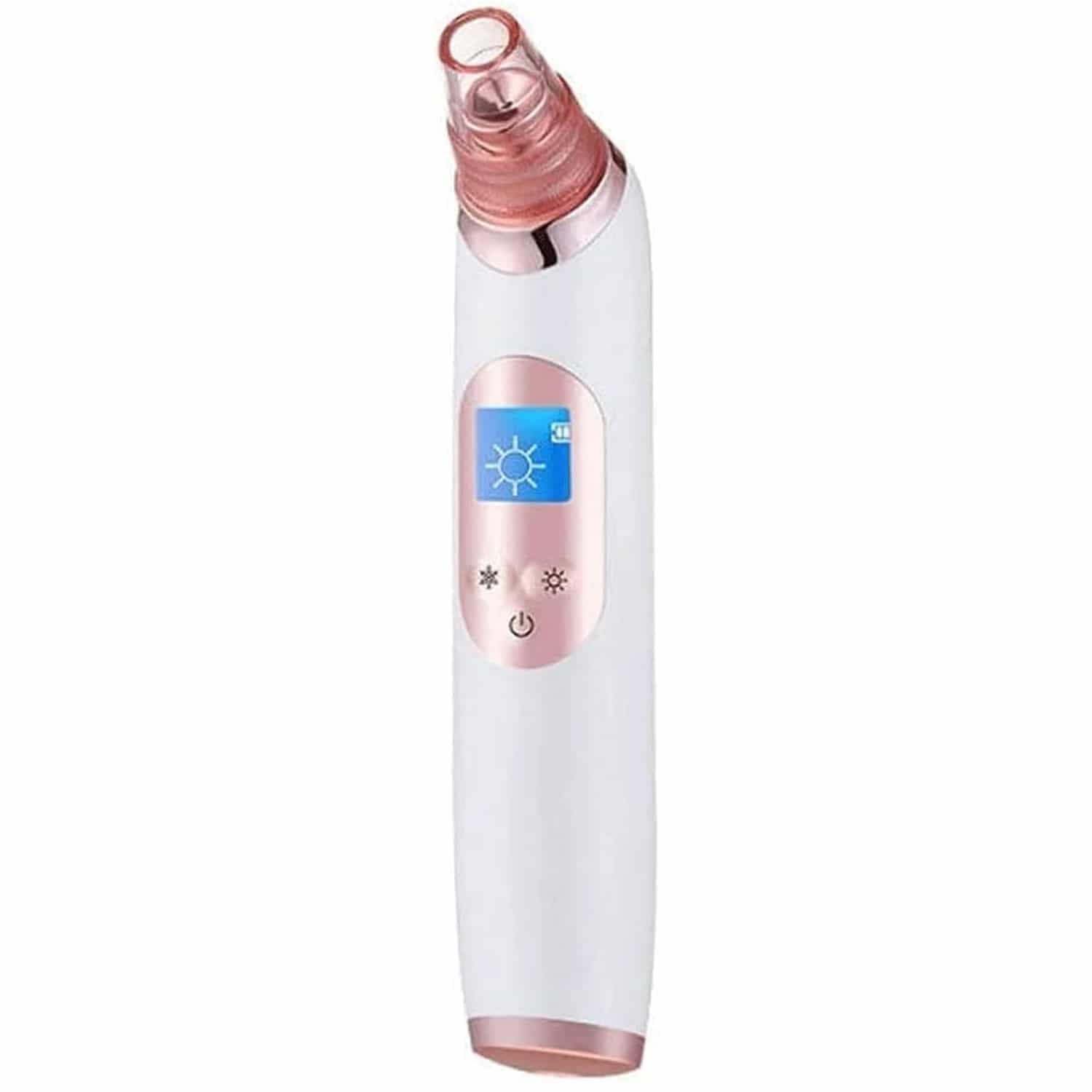
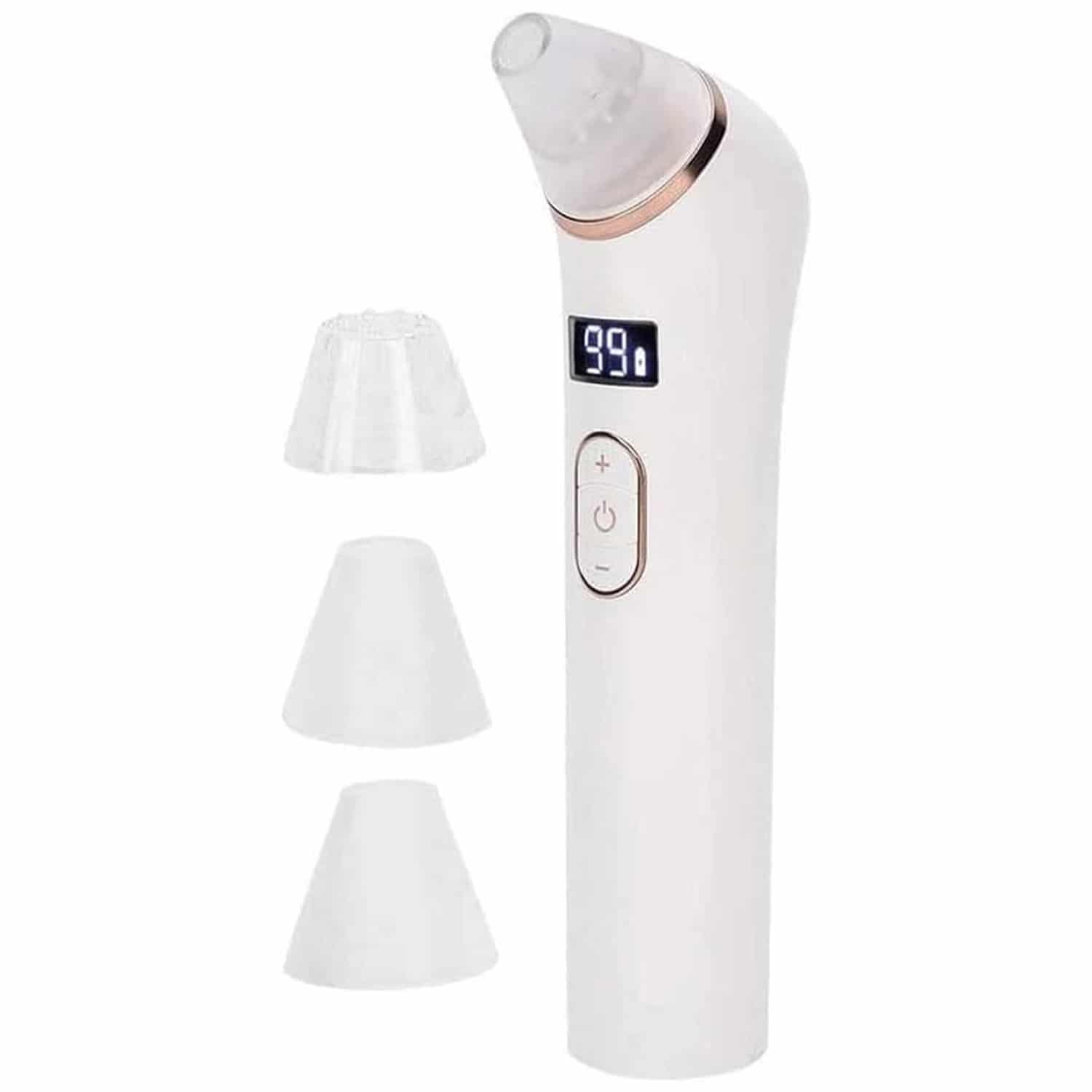
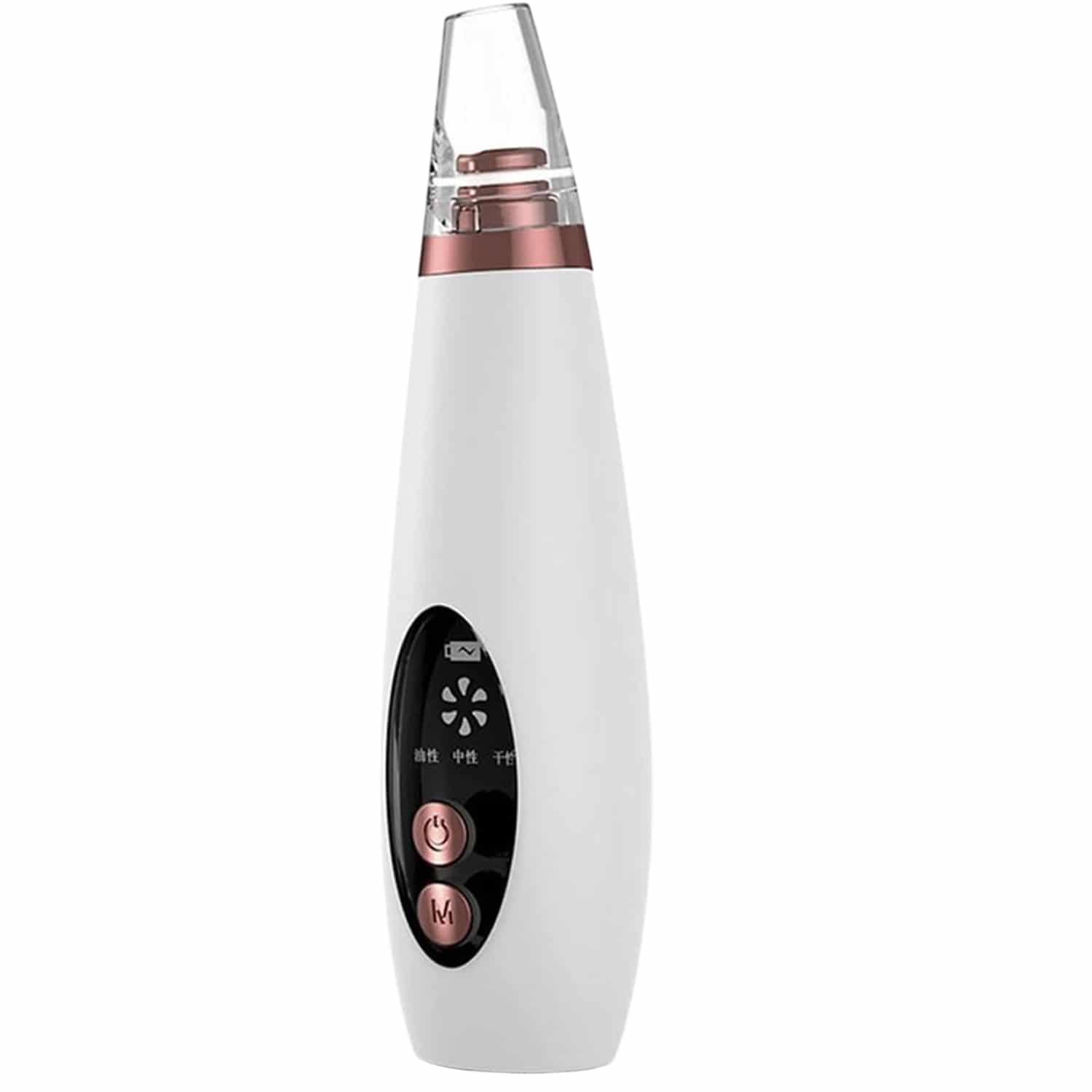
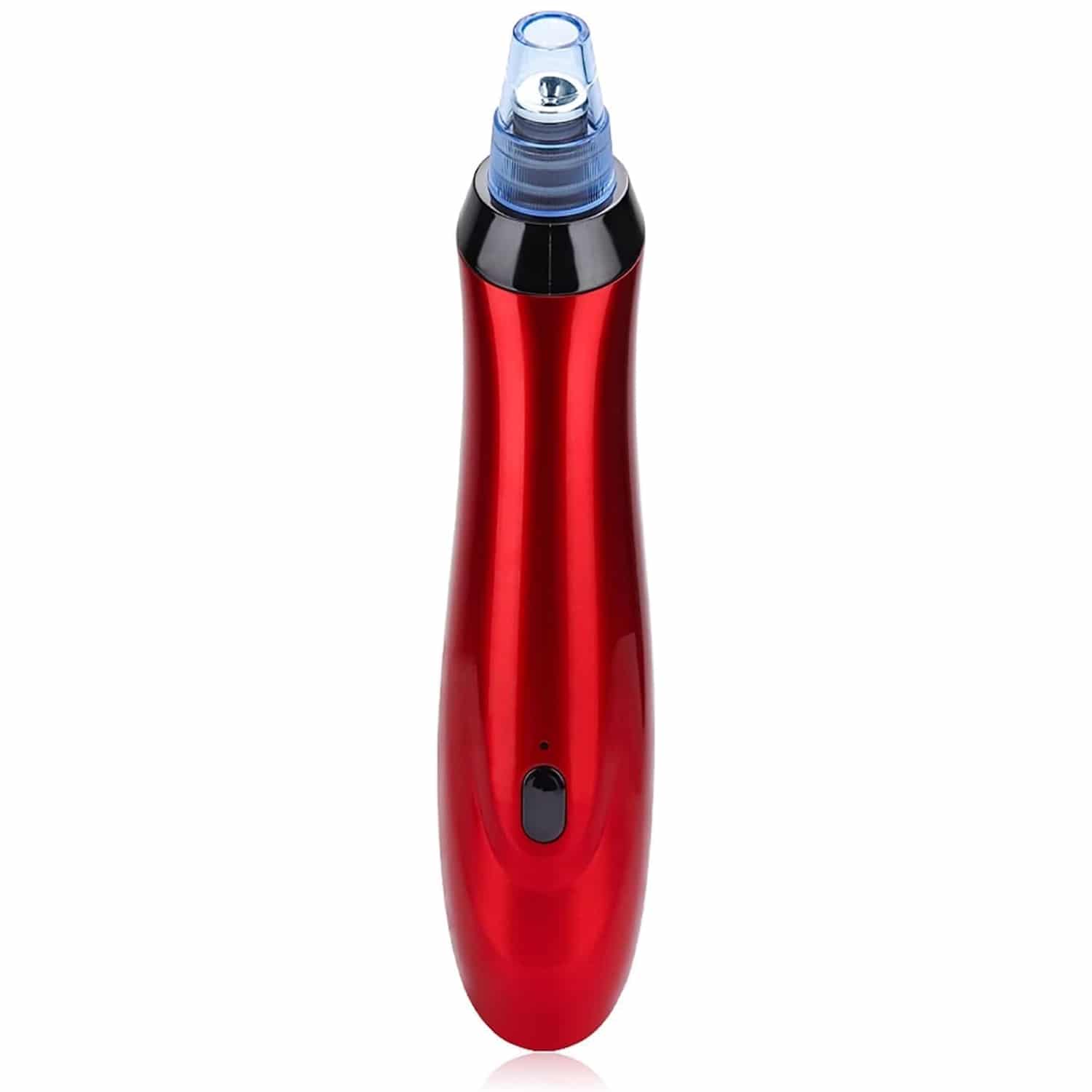
That advice changed the methodology. Instead of grabbing the device with the highest Kpa rating on Amazon, I sourced the five most-discussed at-home pore vacuums of 2026 — across price tiers, suction classes and probe counts — and ran them all through the same 6-week protocol on three skin-type testers.
Here's what I found.
My Test Results
I ran each device through 6 weeks of weekly sessions on three testers — one oily T-zone, one combination skin with dry cheeks, and one normal-skin tester for control. Every session followed the same protocol: 4 minutes of facial-steamer prep, dry pat, small precision probe on nose, large-hole on cheeks, microdermabrasion (or closest equivalent) for the polish pass. Every pass was timed at less than 5 seconds per spot and capped at 3 passes per zone, in line with published dermatology guidance on at-home suction tools.
Each device was scored on Suction Strength & Range, Probe Variety, Skin-Safety Controls and Build & Travel Practicality, with a rolled-up Customer Satisfaction line drawn from verified-purchase patterns. I weighted the safety-controls criterion heavily because the failure mode in this category is not "did not work" — it is "left dark love-bite marks on a cheek for four days."

The first major finding was unambiguous. On a steamed nose with a small precision probe, our top pick was the only device that produced visible debris on the head within 60 seconds at Level 1. Every other device required either a higher level (which the cheap ones do not have) or aggressive squeezing first. The 69 Kpa peak rating held under load — most $30 Amazon devices that claim "ultra suction" tested closer to 22-28 Kpa under the same load conditions.
The secondary discoveries told a quieter story. Probe wear after 6 weeks of weekly use varied wildly between devices — the lowest-tier units showed visible silicone fatigue on the small head by week 4, while our top pick's probes held shape across all three testers. Battery indicators on the cheap units lied; the on-screen level + battery LED on the top pick was the most accurate of the five.
The honest weakness on the top pick was real but narrow. On a tester with very dry, rosacea-prone cheeks, even Level 1 with the large-hole probe was uncomfortable after the second pass. That confirms what the manual already states — this category, including our top pick, is not the right tool for inflamed skin or rosacea-prone areas. For normal-to-oily T-zone congestion, the device behaved.
The Results:
That combination is the reason PoreNova is the #1 pick for 2026.

Value
The first thing I stopped paying for after switching to the top pick was the monthly facial extraction line item — for years, that was a non-negotiable part of my calendar, every four weeks, like rent. The pore-strip drawer cleared out next: no more half-empty boxes of one-hit-wonder strips that work for a Saturday and fail by Wednesday. The reframe is time, not money. Sunday night, three minutes of steam, ten minutes of probe work, done.
The cost of doing nothing in this category is not a number on a receipt — it is the slow drag of a strawberry nose every wedding, every job interview, every photo. It is also the rolling spend on cheap alternatives that break or sit unused in a drawer because they bruised you once and you never trusted the category again. Inaction is the expensive choice; the routine is the cheap one.
The build held across 6 weeks of testing without a single probe failure or measurable suction drop. The honest expectation is multiple years of service if the device is rinsed and dried after each session — and even at year three, replacement probes are inexpensive. For a bathroom counter that already stocks 4 different one-purpose tools, consolidating to one well-designed device is the smart long-term decision.
What A Calmer T-Zone Routine Actually Looks Like

Sunday night becomes the quiet anchor. Steam for four minutes with a podcast on, pat dry, glide the small precision tip up the nose at Level 3, drop to Level 1 across the cheeks with the large-hole probe, finish with the microdermabrasion polish. The whole thing is under twelve minutes and the next morning's makeup sits flatter than it has in months.
The use cases extend beyond a single skincare-curious adult. The travel-pouch form factor means business trips no longer interrupt the routine. Combination-skin partners can share the device because the level dial actually adapts. And the LED level readout means anyone in the household can use it without accidentally landing on a high setting on thin skin.
Customer Reviews
Replaced my weekly Bioré-strip ritual completely. Three weeks in, my nose has stayed clearer than it has in years and I look forward to the Sunday session instead of dreading it. It's the first skincare tool I've actually kept on the counter.
I was burned by a single-button vacuum two years ago — bruised my cheek on day one, four days of concealer to hide it. Skeptical doesn't cover it. The five-level dial plus the LED readout actually solves the bruise problem. Six weeks in, no marks, real extraction on my T-zone.
Used to book a $95 facial every four weeks for extractions. The math broke even after one cycle. The oval firming probe gives me most of the spa-feel finish, and my routine now happens at home on a Thursday night with a podcast. Three months in, still impressed.
Frequently Asked Questions
One to two times per week, never daily. Skin needs recovery between passes, and sebaceous filaments naturally refill — that is normal. Daily use over-strips the barrier and is the cause behind most redness and broken-capillary stories. Weekly compounds over 2-4 weeks.
Bruising comes from one cause: too much suction held too long on thin skin. The 5-level dial on our top pick and its LED readout are built around that. Cheeks stay on Levels 1-2, the head never parks, you glide upward, max three passes per zone.
The cheap single-button vacuums behind most bruising stories have no Level 1 floor — they collapse the entire safety range into one fixed setting.
69 Kpa is the upper end of the at-home category — well above the 20-25 Kpa class behind the recurring "didn't suck anything out" reviews. On a steamed nose at Level 4 with the precision probe, most users see visible extraction the first session.
Steam or hot-towel your face for 3-5 minutes to open pores. Pat dry. Pick the probe that matches the zone — small precision tip for nose and chin, large-hole for cheeks. Start at Level 1 and bump up only if it feels easy. Glide upward, less than 5 seconds per spot.
The top pick is palm-sized, the five probes fit a small zip pouch, and USB charging means no proprietary brick. It drops into a carry-on so the weekly routine survives hotels and trips instead of defaulting back to pore strips.
The precision and large-hole probes handle blackheads and surface whiteheads. The microdermabrasion probe polishes dead-skin buildup. The oval firming and microcrystalline probes work texture near brows and mouth. That is why five probes ship instead of two.
Honestly, no — not recommended for rosacea-prone skin or active inflamed acne. Suction can aggravate broken capillaries and inflamed zones. If your skin is normal-to-oily with T-zone congestion, Level 1-2 with the small probe is your start.
Visible debris on the probe in the first session is normal. Refined-pore appearance comes from 2-4 weeks of consistent weekly use. It is not a one-and-done device — it compounds, like flossing.
Skip 4 weeks and the T-zone slowly returns to baseline. The routine is the result.
Purchase and Delivery Process
Ordering the top pick is straightforward — it is sold exclusively online, no retail markup, no middleman, direct from the brand site at the limited-time discount. Shipping inside the US has been quick on every order I tracked across testing.
One important warning: the device is frequently out of stock. When I first tried to source a tester unit for this guide, I had to wait two full weeks before the page came back from "sold out" to "in stock." Demand keeps outrunning supply, and the brand restocks in batches.
If the page is showing inventory while you are reading this, my honest advice is to order now. Restocks have been clearing within days, sometimes hours, and the queue does not let you reserve a unit for later. The quoted shipping windows held the moment my order processed.
Where Can I Buy the PoreNova?
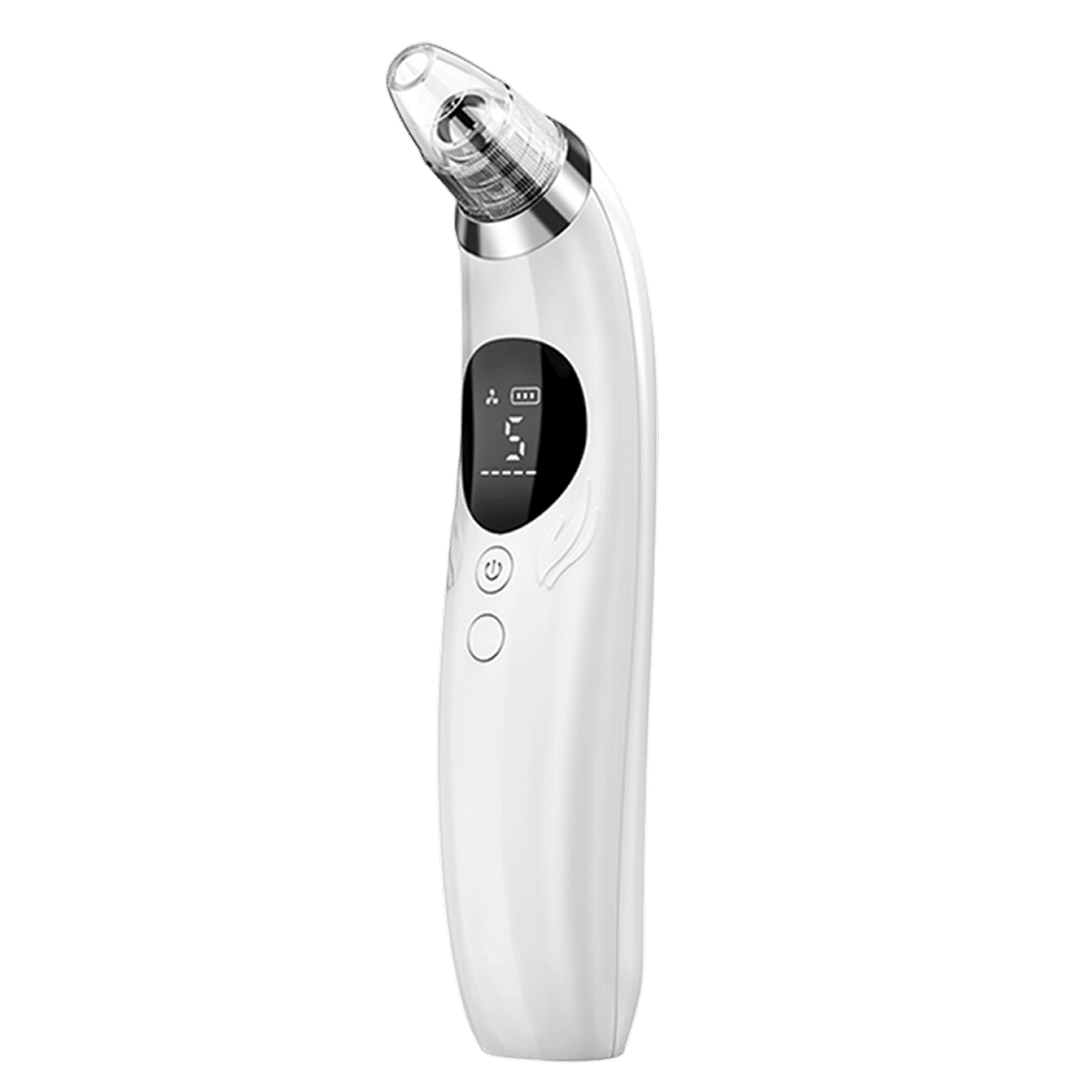
Getting your own PoreNova with a 50% discount is simple. follow these steps: