


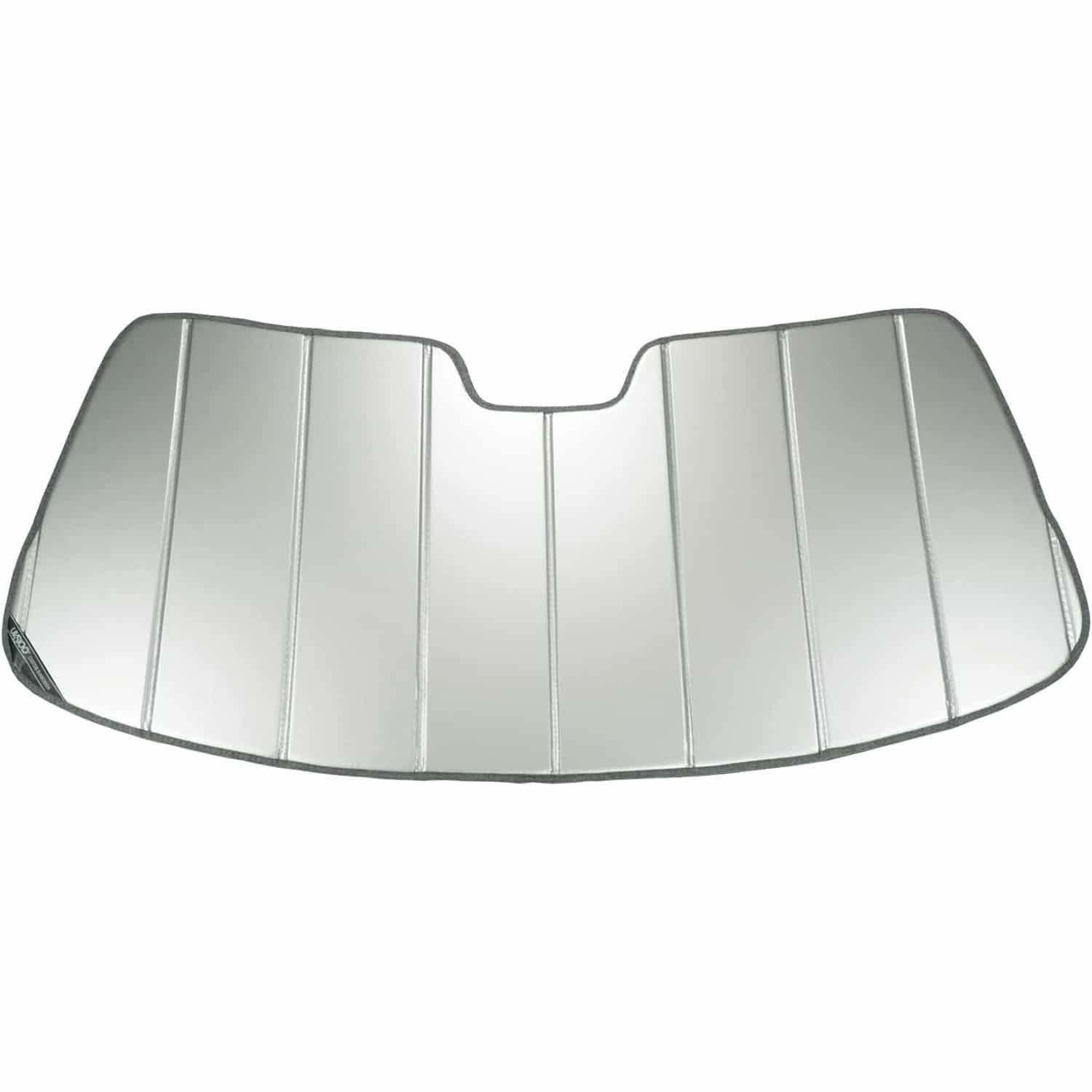
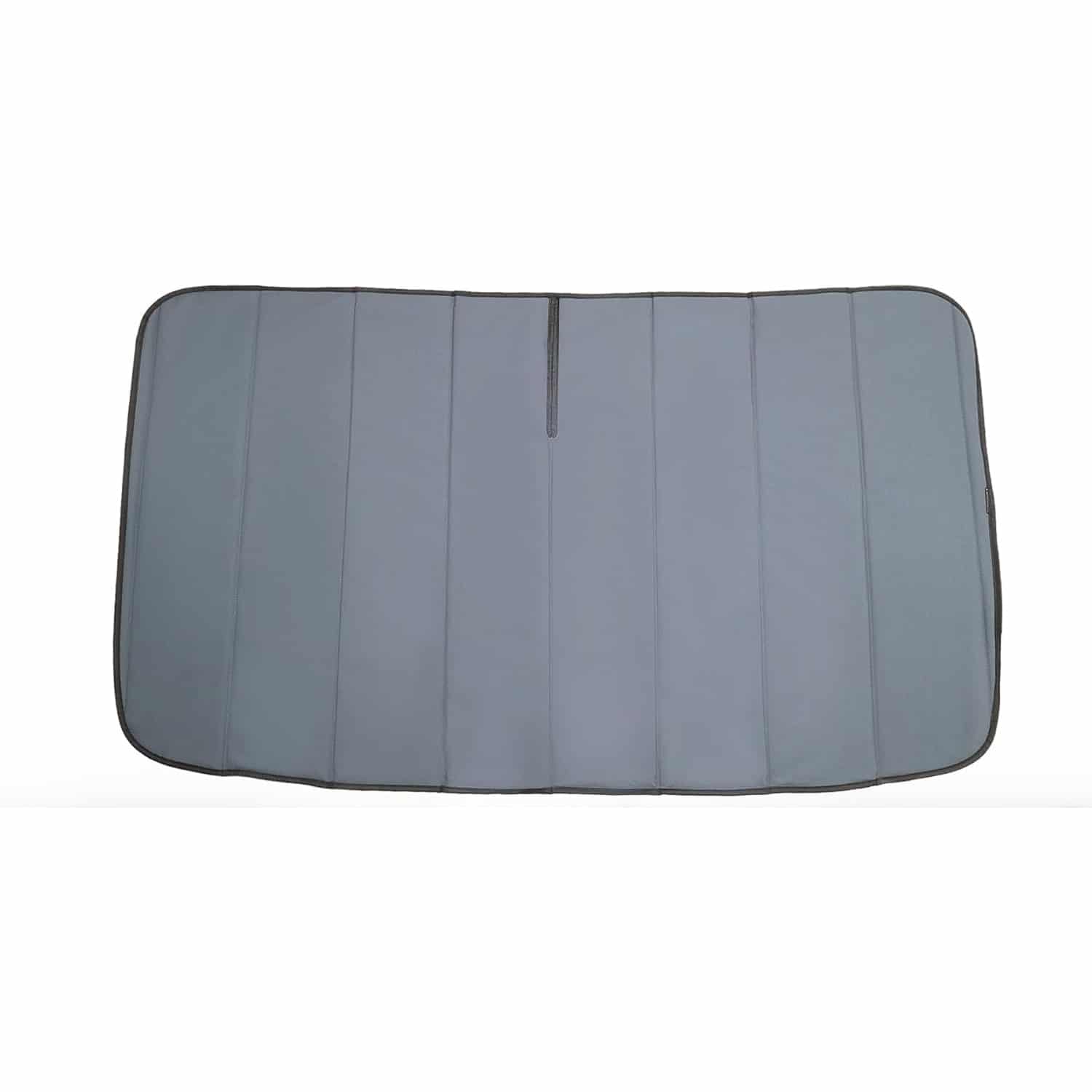
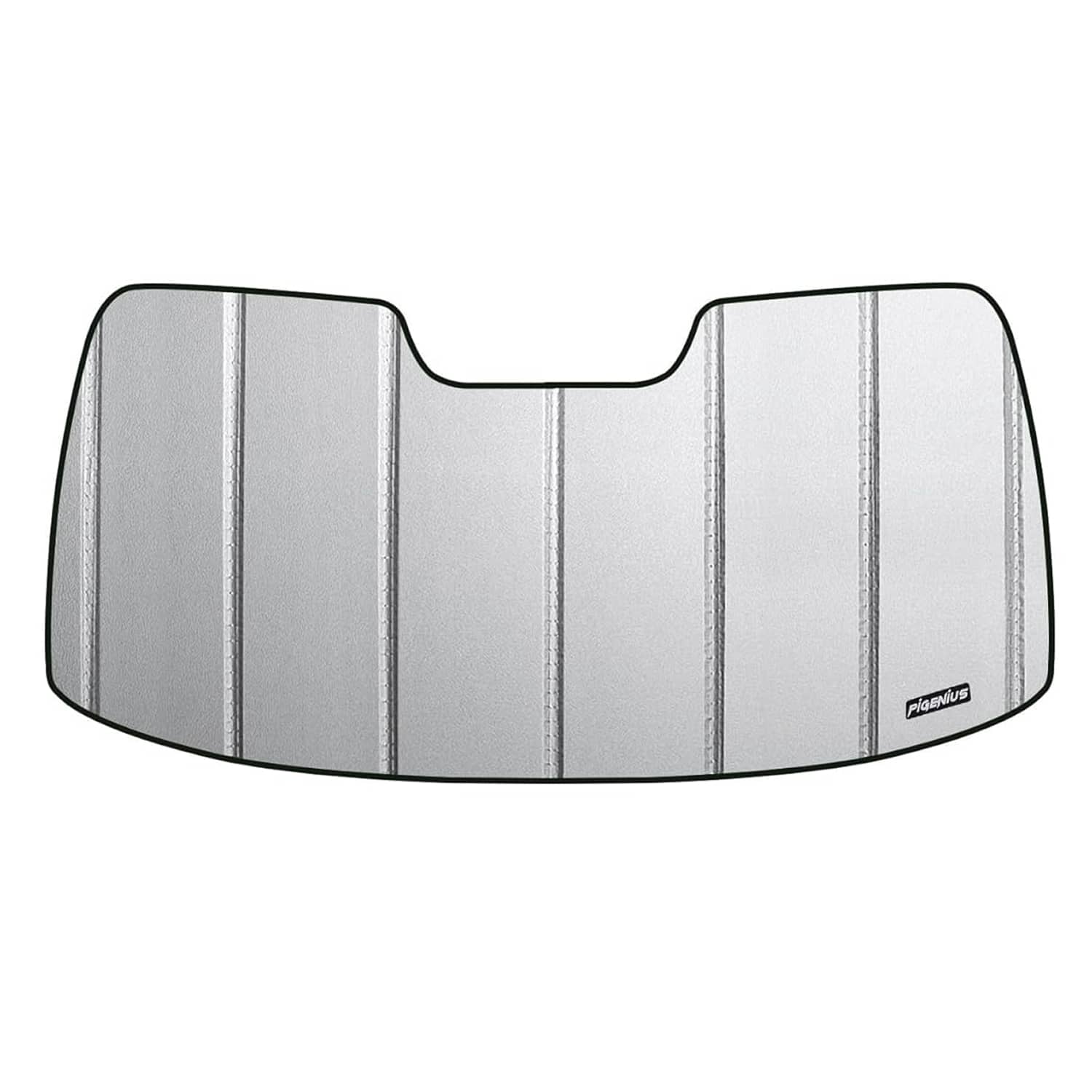
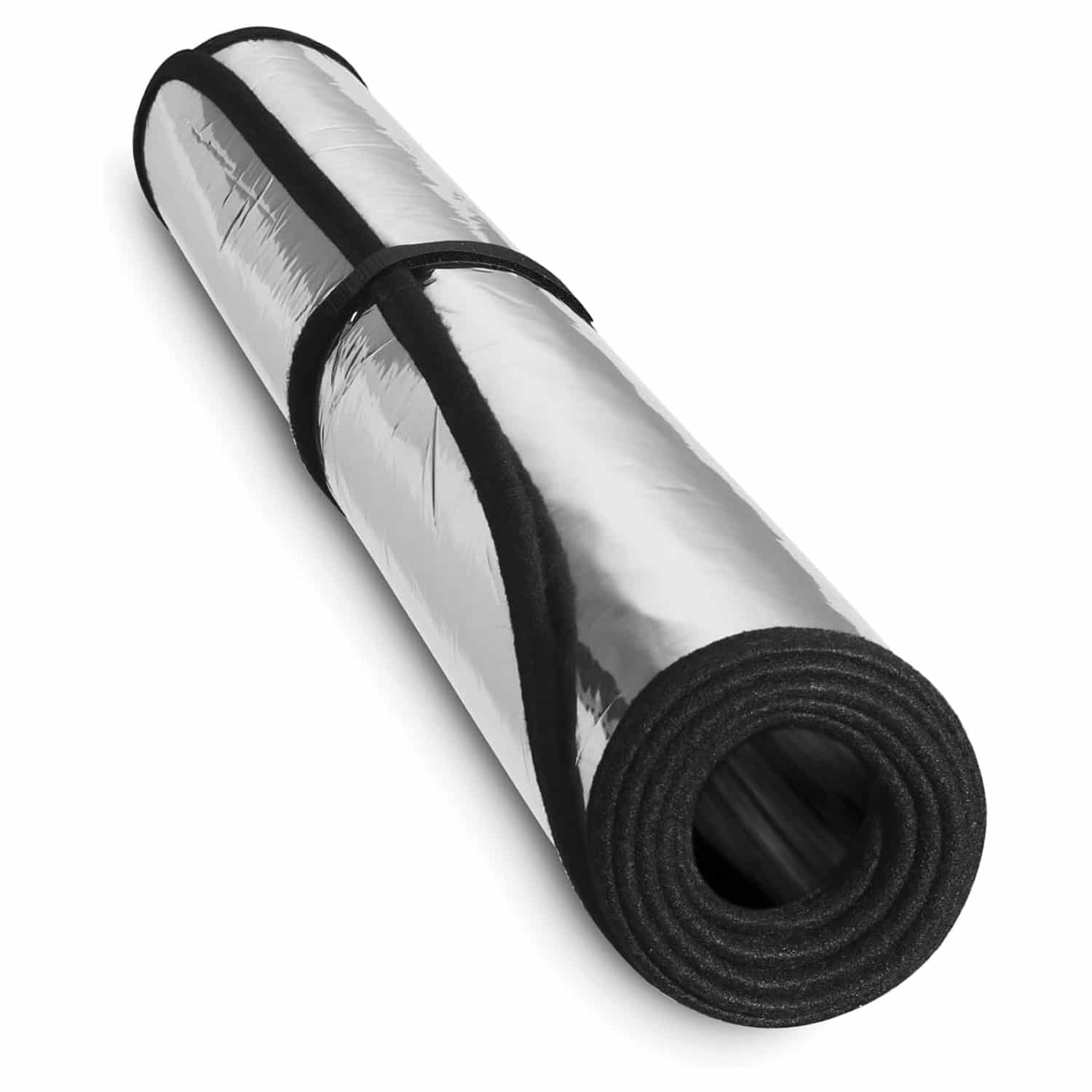

I Tested 38 of the Best-Selling Car Sunshades. Here's Why DashVault is #1:
 Written by Jake Thornton
After that Costco afternoon, I drove home with the AC on full blast and a red welt across the heel of my hand. The cheap accordion shade went straight in the trash. That night I sat at the kitchen table with a notebook and made a list of every shade type Sunbelt drivers actually use — accordion, roll-up, custom-fit, umbrella — and started ordering one of each.
The first replacement was a Made-in-USA custom-fit cardboard shade for the CR-V. It worked beautifully — until I sold the CR-V four months later and the shade went to the buyer with the car. Then I tried a rigid roll-up. It fit the next car fine but lived in the back seat because it didn't fold down small enough for the glovebox. The umbrella shade I tried after that snapped its handle in the box and scratched the dashboard with bare wire tips inside two weeks.
That's the moment I decided to do this systematically. I spent six weeks logging temperatures, deploy times, fit gaps, and wear marks across 38 different sunshades in Phoenix and Tucson lots. One shade kept landing at the top of every category that mattered to a daily commuter.
Here's what I found.
My Test Results
I parked two identical 2020 Civics side-by-side in an unshaded Phoenix office lot from 9 AM to 5 PM, ambient temps between 102°F and 114°F across the testing window. One car ran a different shade each weekday, the second car was the no-shade control. I logged dashboard surface temp, steering-wheel surface temp, and cabin air temp at 1-hour intervals using infrared thermometers and a digital probe. For Fit and Coverage I rotated each shade through a Civic, RAV4, F-150, Outback, and Tesla Model 3 and measured edge gaps at the mirror cutout, A-pillars, and base.
Daily Usability was timed across 100 deploy-and-fold cycles for each shade. Build Durability was assessed after 6 full weeks of daily use, including frame inspection, coating peel checks, and dashboard-trim photos before and after. I cross-referenced my data against documented owner complaints from Tesla Motors Club, 5thGenRams, and Automoblog to confirm patterns weren't unique to my test cars.

The first finding hit on day three. After a 90-minute soak in 108°F sun, DashVault dropped the dashboard surface temp from a 178°F baseline to 122°F — a 56°F surface drop that beat every accordion shade by at least 12°F and matched the Made-in-USA custom-fit. The steering wheel sat at 118°F instead of the no-shade 142°F. That's the difference between burning your palm and feeling warm leather.
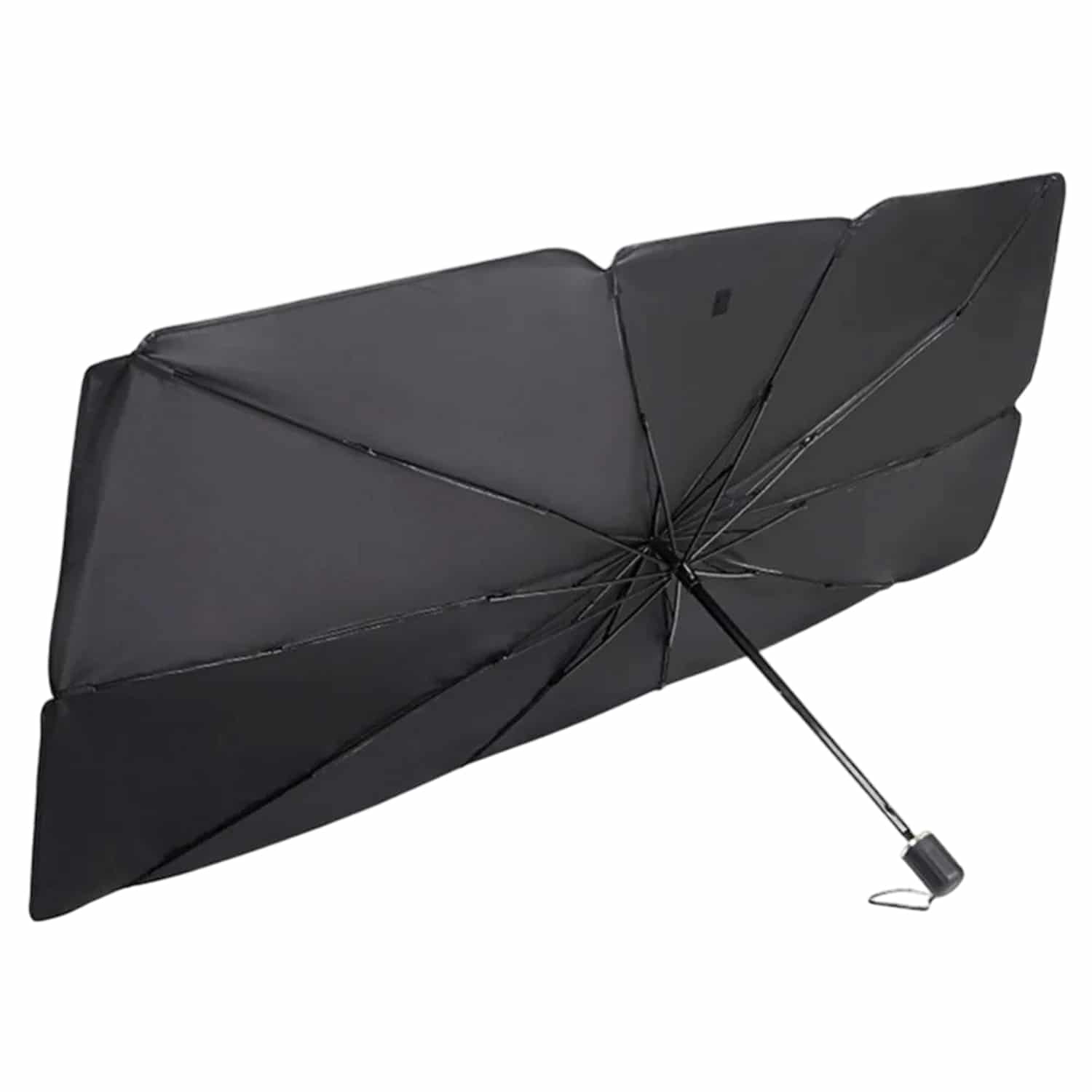
Across the next five weeks I kept finding small wins. The matte handle deployed one-handed every single time without a stuck spring. The wrapped beads left zero scuffs on the dashboard after 47 cycles, while the bare-wire umbrella shade in the comparison group left two visible marks in 19 cycles. Storage was the surprise victory — the folded sleeve dropped into the glovebox of the Civic, the door pocket of the F-150, and the frunk of the Model 3, where the rigid roll-up couldn't fit any of the three.
The one weakness I logged honestly: the silver-coating side picks up tiny scratches if you store it loose with metal items. The carry sleeve solves it, but you have to actually use the sleeve. That's the entire downside list.
The Results:
That's why DashVault earned the #1 spot in this guide.

Value
I stopped buying a new sunshade every June. That's the line that matters. Three summers in a row I'd replaced a $20 accordion shade after it cracked, smelled, or fell off the freeway. With this top pick, the math flipped — one shade, two summers in, still snapping flat without a sag. The hours I spent yanking suction cups off the windshield while late for work are hours I get back.
The cost of doing nothing is the one most buyers underestimate. A leather steering wheel that dries and peels is a $400 reupholster job at trade-in. A dashboard with hairline cracks knocks resale value down further. The cheap accordion shades you keep buying every season add up faster than the upgrade does, and they don't actually save the dashboard you're trying to protect.
The build quality is what closes the case. After 6 weeks of daily Phoenix use, the silver coating shows zero peel, the 10-bone frame still snaps to a flat curve, and the wrapped beads haven't worn through. This is a buy-once shade that pays for itself by the second summer.
The Daily Sunbelt Routine, Without the Dread

The morning routine compresses by 15 seconds. You park, twist the matte handle, the umbrella opens, you set it against the windshield, and you walk into the office without looking back. The afternoon is where the difference shows — the steering wheel doesn't burn the palm, the AC catches up in two minutes instead of ten, and the leather doesn't smell like a hot tire.
Beyond commuters, the wedge plays well for parents with rear-facing car seats who fight the 99°F cabin every preschool pickup, for Tesla owners who can finally fit a real shade in the frunk, and for households juggling two or three vehicles where one shade actually follows the family across cars instead of being locked to a single VIN.
Customer Reviews
I used to wrestle a cheap accordion shade every morning and it still cooked my Honda CR-V by noon. Now I open this top pick in 10 seconds and the steering wheel doesn't burn my palm after work. Phoenix summer feels manageable for the first time in years — by week two, my dashboard surface was sitting around 118°F instead of 175°F.
Bought it specifically for my Model 3 because the rigid Made-in-USA shade I had before was too big for the frunk. The L size covers the curved windshield and folds down small enough to live in the door pocket. Pre-conditioning the cabin takes less battery now too.
One shade for my F-150, my wife's Civic, and the Outback. The frame still snaps tight after a full Houston summer and the dashboard on all three cars is scratch-free. I should have bought it years ago instead of replacing cheap shades every June.
Frequently Asked Questions
Open the matte handle, the umbrella pops up like a regular one, and you place it against the windshield. Most drivers have it deployed in under 10 seconds, with one hand, while still holding a coffee. Folding it back down takes the same time.
The S size (25.6 x 49.2 in) covers most hatchbacks and sedans like Civic, Corolla, and Mazda3. The L size (55.1 x 31.5 in) fits crossovers and mid-SUVs like RAV4, CR-V, and Outback. Tesla Model 3 owners typically pick the L for the wider windshield.
Independent Tucson research showed sunshades drop dashboard and steering-wheel surface temperatures by 40 to 50°F after 90 minutes parked in 100°F lots. In our 6-week test, surface temps dropped by 56°F on average versus the no-shade control. Cabin air still warms up but slower, and the steering wheel no longer burns the palm.
Every contact point is wrapped in a soft sleeve, including all 10 wire-rib tips and the central shaft. That is the failure mode plaguing cheaper umbrella shades, and the one this design engineered out first. After 47 deploy cycles in our test, the dashboard had zero visible scuffs.
No. The top pick holds itself in place using the curved 10-bone frame pressed against the windshield. There are zero suction cups to fail, fall off in summer heat, or live folded on the dashboard for the rest of the drive.
Yes. The silver adhesive coating blocks 99% of incoming UV at the windshield, the same standard category leaders publish. That keeps the dashboard from cracking on the passenger side and slows the leather steering wheel from drying out across summers.
Folded, the shade sleeves down to roughly the size of a small umbrella. It fits in the glovebox, in the driver door pocket, under the passenger seat, or in the Tesla frunk. That is the wedge over rigid rolled-up shades that hog the back seat.
The silver adhesive coating is bonded to the fabric, not a sticker laminate like 240T aluminum-foil shades. It survives daily Phoenix and Houston UV without peeling, smelling, or showing the permanent creases accordion shades arrive with. After 6 weeks of daily use in our test, there was no visible coating wear.
Purchase and Delivery Process
Ordering is straightforward — the shade is sold direct from the brand store with no big-box markup, no Amazon middleman, and no monthly subscription. The link in this article takes you to the size selector and a clear two-minute checkout.
Here's the catch: this shade has been selling out faster than the supplier can restock it. I personally had to wait 2 weeks before my second test unit arrived because it was sold out the day I tried to order. If you're seeing it available right now, that is the moment to grab one — not next week.
Once your order goes through, fulfillment runs from a US warehouse with standard 3-7 day shipping. Tracking is emailed within 24 hours and packaging arrives in a flat sleeve, not crammed-into-a-bag accordion-style that ships with permanent creases.
Where Can I Buy DashVault?
Getting your own DashVault with a 50% discount is simple. follow these steps: