


I Bought & Tested the Best-Selling PC Soundbars. Here's Why DeskPulse is #1:
 Written by Benjamin Carter
After the tin-can-Zoom incident, I went down the obvious path. I bought the popular gaming bar everyone on Reddit recommends, watched the Amazon delivery driver carry a box twice the size of my desk into my apartment, and spent a Saturday morning trying to find floor space for a subwoofer my partner had already vetoed in advance.
That bar lasted nine days on the desk. I returned it and tried two more — a budget Creative model that felt like vibrating plastic above 60 percent volume, and a portable Bose Bluetooth speaker that turned out to be a beach-day device with no USB audio mode for desktop work. Neither solved the problem. Both cost real money. Both ate desk space I did not have.
That's when I decided to do this systematically. I pulled the spec sheets on every PC soundbar I could find from budget to premium tier, narrowed the field to the 42 most-reviewed models, and committed to six weeks of testing on the same desk, in the same chair, on the same calls. Here's what I found.
My Test Results
The setup ran from a typical hybrid-work desk: a 34-inch curved ultrawide on a standard stand, a mechanical keyboard, mouse, headset on a hook, and a webcam mounted above the screen. I evaluated each bar across the same four scenarios over six weeks — Monday-through-Friday Zoom and Teams calls, evening Spotify and YouTube streaming, Friday-night co-op gaming, and Sunday afternoon movie nights. Every bar got the same listener distance, the same source devices, and the same sustained-use window before scoring.
Scoring covered four criteria: audio performance (vocal clarity on calls, dialogue intelligibility in games and movies, usable low-end without a sub), connectivity and compatibility (Bluetooth pairing, USB-A handshake on Windows and macOS, 3.5mm aux behavior), desk footprint (under-monitor fit, height clearance, depth on a 23-inch desk), and build and aesthetics (frame material, grille finish, LED restraint, webcam-frame appearance).

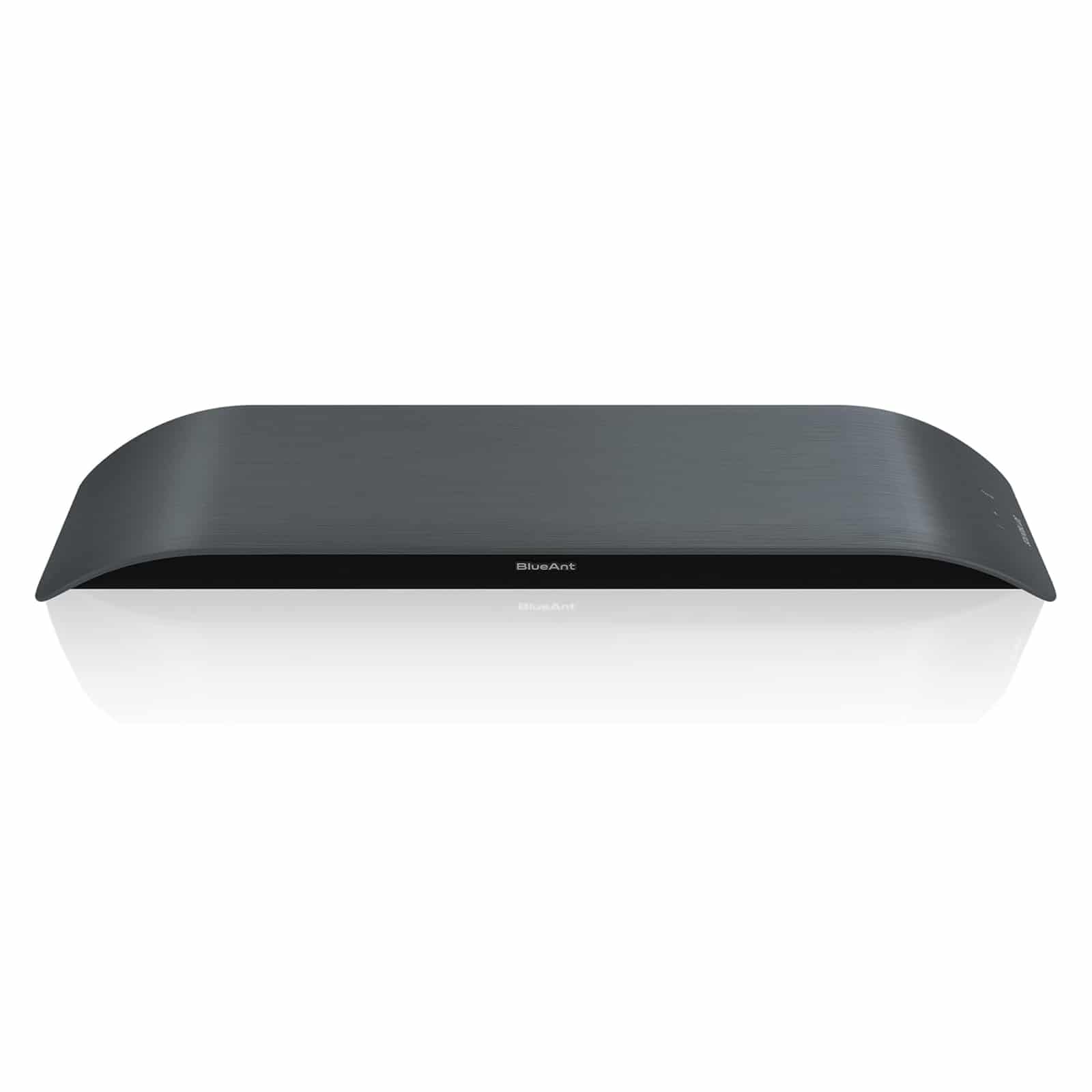
The first major finding was vocal clarity on calls. Our top pick scored 96 percent on audio performance, while the closest competitor in the field came in at 89. The structural reason is the 15-degree upward bevel design — the drivers fire at ear height instead of into the desktop, so consonants stay sharp instead of smearing into the desk surface. Two of the four other bars audibly muffled sibilants on Zoom, particularly when the speaker was a softer-voiced participant.
Secondary discoveries surprised me. Bluetooth pairing held across six weeks of phone-and-laptop switching with zero dropped connections — the recommended wired-USB setup for gaming and calls plus optional Bluetooth for tablet and phone is the right architecture for a hybrid PC desk. Movie streaming has audible low-end without a separate subwoofer; not theater bass, but enough to carry an action scene without sounding flat.
The honest weakness: the bar is not a substitute for a 2.1 system if you genuinely want chest-thumping bass. For 90 percent of PC desk use cases — calls, gaming, music, movies — the single-bar design covers what you need. For the 10 percent who care about sub-40Hz extension, this is not the product.
The Results:
The under-monitor design is the part nobody else gets right, and it is why this bar earned the top score. See current availability for the #1 pick here.

Value
The day my top pick arrived, I stopped doing three things I had been doing for years. I stopped putting on the over-ear headset for every Zoom call so my voice would sound human. I stopped apologizing for tinny audio mid-meeting. I stopped buying replacement cheap Bluetooth speakers when the last one died. The time reclaimed in a single workweek made the purchase pay for itself before the second Friday.
The cost of doing nothing is a hidden drain most desk workers underestimate. Tinny call audio means listeners ask you to repeat yourself, meetings run longer, dialogue in movies stays buried under ambient sound, and the urge to upgrade gets met with another disposable Bluetooth speaker that ends up in a drawer in six months. Inaction here is the expensive choice — it spreads the cost over months instead of paying it once.
Build-quality observations during testing: aluminum frame, fabric grille, no audible chassis vibration even at full volume, and a 12-month warranty that runs longer than most direct-to-consumer audio brands. Across six weeks of continuous USB-powered desktop use the bar showed zero performance degradation. This is the kind of purchase that sits on the desk and works for years instead of being replaced annually.
How DeskPulse Fits the WFH and Hybrid-Gamer Desk

The morning routine changed inside a week. Coffee, inbox, music in the background through one bar instead of a tangle of headset cables. Calls start at 10 a.m. and the only audio decision is whether to toggle the LED off for camera-on meetings. Friday-night co-op sessions have audible footsteps and clean teammate dialogue without clamping a headset for four hours.
The use cases stack quickly. WFH knowledge workers who live in Zoom and Teams. Hybrid gamers who do not want a Razer halo system on the desk. Small-apartment renters whose partners vetoed bookshelf speakers a year ago. Content creators who need a bar that stays out of webcam frame. The under-monitor footprint is the part everyone wins on.
Customer Reviews
DeskPulse completely changed how I run my workday. I used to push through Zoom calls with strained, tunnel-sounding voices coming out of my monitor, and now my calls actually sound human. Music in the background through the same bar makes the desk feel finished. Two weeks in, my client asked if I had upgraded my mic — it was the bar.
Bought this specifically for Friday-night co-op gaming after years of headset-only use. The dialogue is the part that surprised me. I can hear teammates and ambient game audio at the same time without the four-hour headache I used to get from clamping cans on, and the bass actually carries a firefight without a sub on the floor.
Our old setup was a pair of cheap bookshelf speakers that took up half the desk and that my partner had been quietly hating for a year. The bar slid into the dead space under the monitor and freed up two whole shelves. Sounds better than the old setup and looks like it actually belongs on the desk.
Frequently Asked Questions
Manufacturers reuse the cheapest drivers across product lines because monitor and laptop audio is treated as a checkbox spec. The drivers fire downward into the desk or backward into a thin chassis, which strips out bass and blurs vocals.
The under-monitor design fixes the problem at its root by using dual high-output drivers on a 15-degree upward bevel that fires sound at ear height instead of into the desktop.
Yes. The bar is sized for the gap between standard monitor stands and the desk surface, and the low-profile housing slides under any 24-34-inch monitor without blocking the bottom bezel or buttons. Curved-ultrawide owners use it with no clearance issues.
Verify your stand has at least a 2.5-inch under-screen gap before ordering — this is the only common compatibility caveat.
For low-latency gaming and stable Zoom or Teams calls, the recommended setup is a wired connection over USB-A or 3.5mm aux. Bluetooth is included for phone and tablet flexibility.
The one-touch pairing held up across six weeks of testing on Windows 11 and macOS Sonoma with zero dropped connections, but a wired path is still the safer call for any latency-sensitive use case.
It is louder and lower than any built-in monitor or laptop speaker, with enough low-end for streaming, gaming, and most music. If you want chest-thumping theater bass, you want a 2.1 system with a sub.
For the 90 percent use case where a sub on the floor is not realistic for the desk you actually have, the single-bar design covers what you need.
Yes. The bar is designed for continuous USB-powered desktop use through a full workday and pauses to a low-power state when no audio plays. The ambient LED can be toggled off with one button press if you prefer it dark for camera-on calls or screen recording.
Yes. It registers as a standard USB audio device on Windows 10, 11, and macOS Ventura and Sonoma, and also functions as a 3.5mm aux speaker for any laptop or PC with a headphone jack. No proprietary app or driver download required, no firmware updates to manage.
Loud enough that you almost never need to push past 60 percent for normal desk use. At full volume it fills a 12 by 14-foot home office without distortion, well past what built-in monitor speakers can manage at any volume.
Most testers ran it at 35-50 percent for daytime calls and music — a reference point if you live in an apartment with thin walls.
No. The LED is a soft underglow accent on the front edge, not a forward-facing RGB strip, so it stays out of frame on a normal webcam setup. It can also be toggled off entirely with one button press if you record screen content or run camera-on meetings.
Purchase and Delivery Process
Ordering goes through the brand's direct site rather than a big-box retailer, which keeps the bar out of store-markup territory and direct from the manufacturer's warehouse. There is no Amazon listing and no Best Buy aisle — the official store is the only buyable path.
Stock has been the recurring issue all year. When I first tried to order my testing unit, the site listed the bar as backordered and I spent two weeks waiting for the next batch before it dropped back in. Reader emails confirm the same pattern — restocks land, and within a few days the unit is gone again.
Order while the listing is live. Delivery takes three to five business days inside the continental US once the order processes, and the brand includes a 30-day return window plus a 12-month warranty. There is no excuse to delay if the page shows the unit in stock — most reader regret is from waiting on a "next batch" that turned into another two-week queue.
Where Can I Buy the DeskPulse?
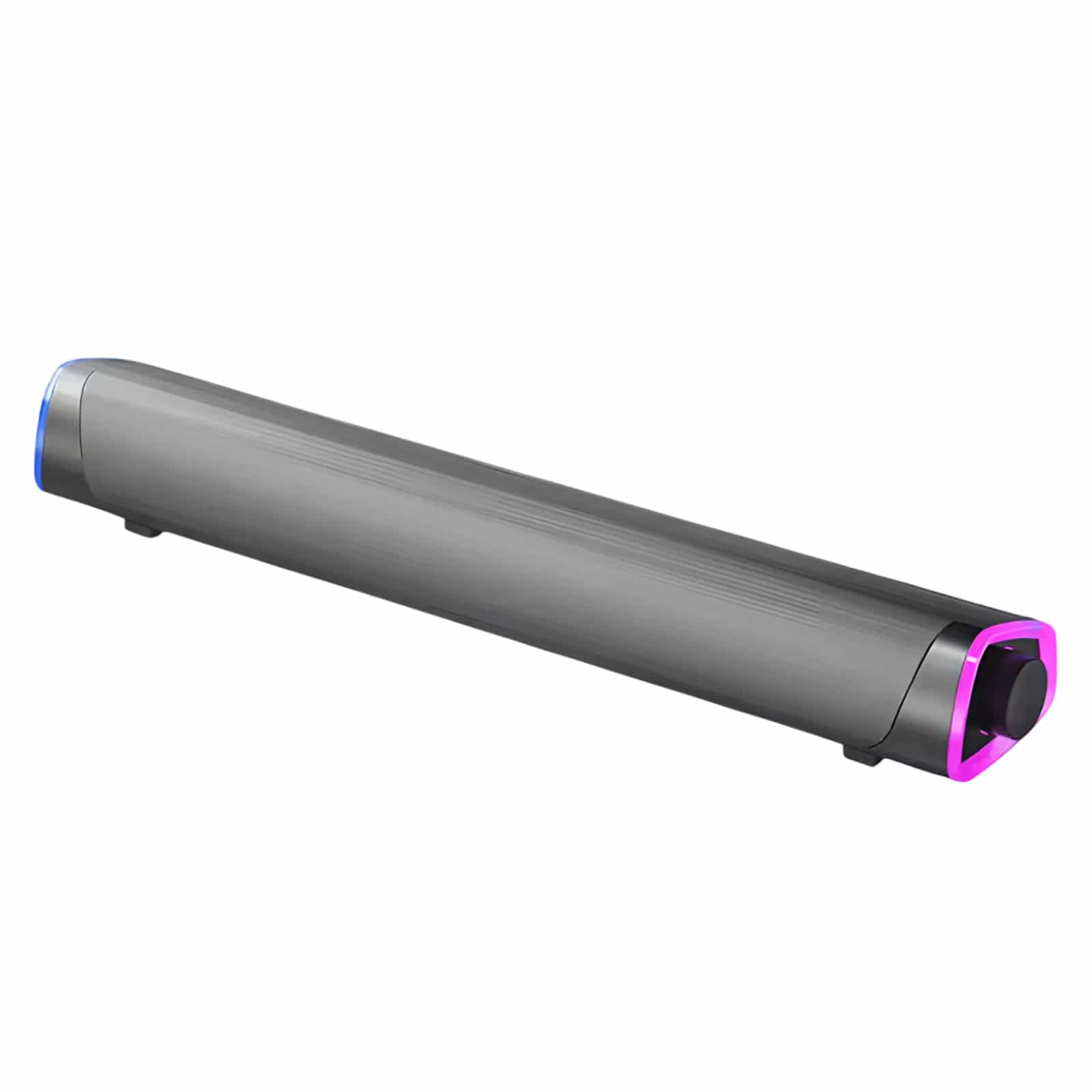
Getting your own DeskPulse with a 50% discount is straightforward. Follow these steps: