


I Bought & Tested 38 Best-Selling Single-Ear Bluetooth Headsets. Here's Why TalkForge is #1:
 Written by Benjamin Carter
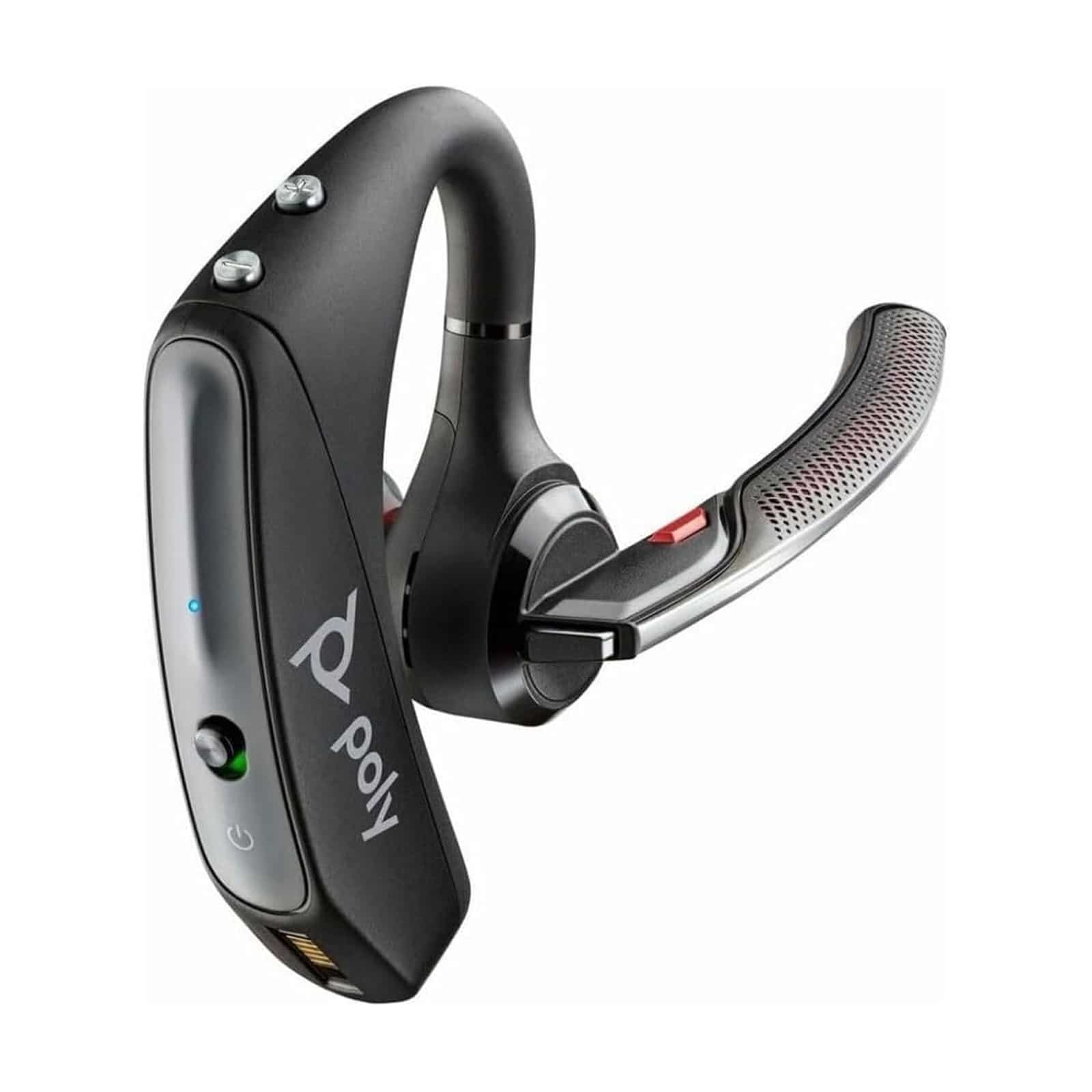
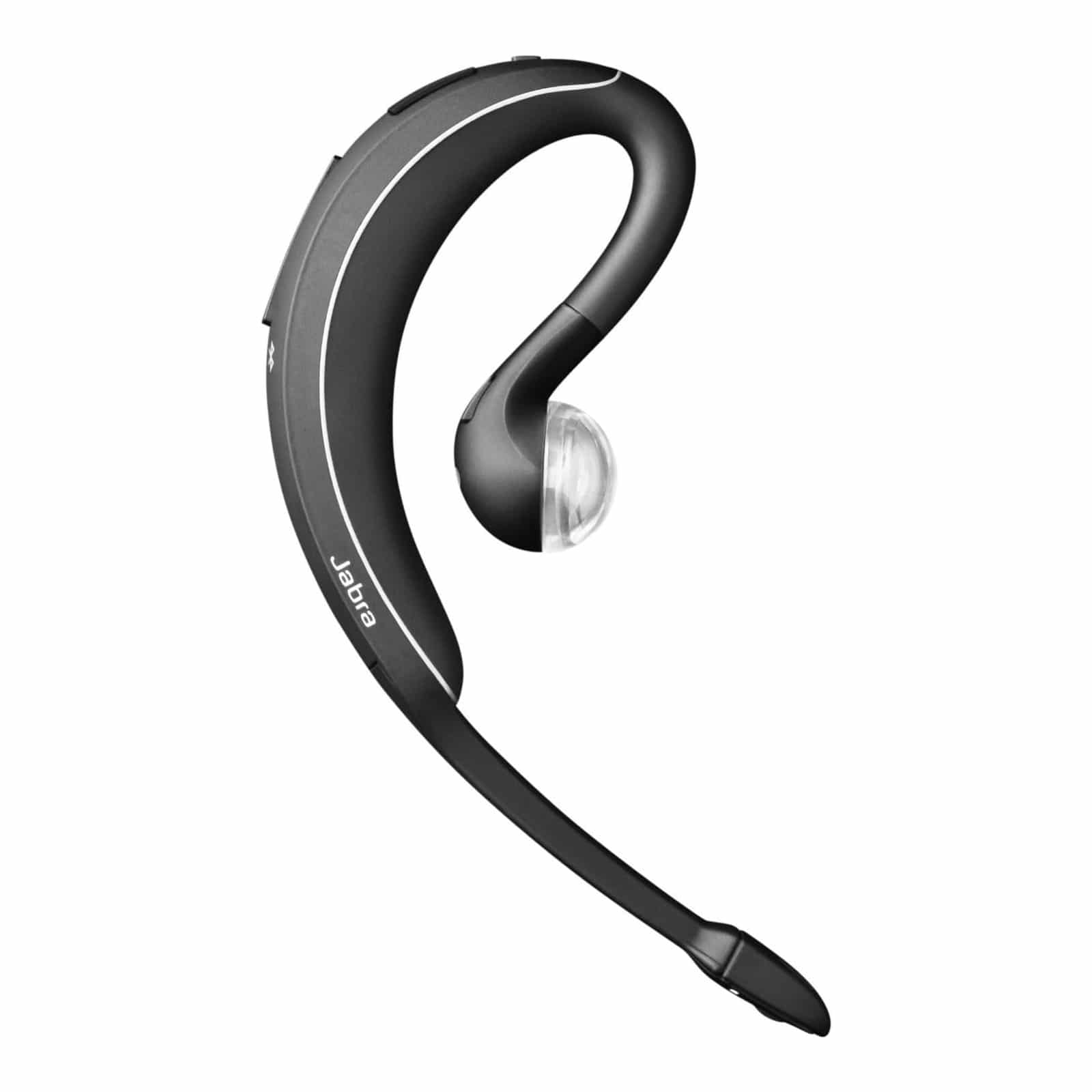
That hour-six tunnel-sound moment was not the first time a single-ear headset had failed me. It was the third. The first was a $25 Mpow I bought for an Uber month — the mic died at month seven and I started getting passenger 1-star reviews for "sound muffled." The second was a Poly Voyager 5200 my brother lent me; the battery tapped out at hour seven of a real-estate showing day and I switched to speakerphone in a closing meeting. The Jabra Talk 65 was the moment I quit settling for the boom-style geometry that lifts your cheek off the wheel.
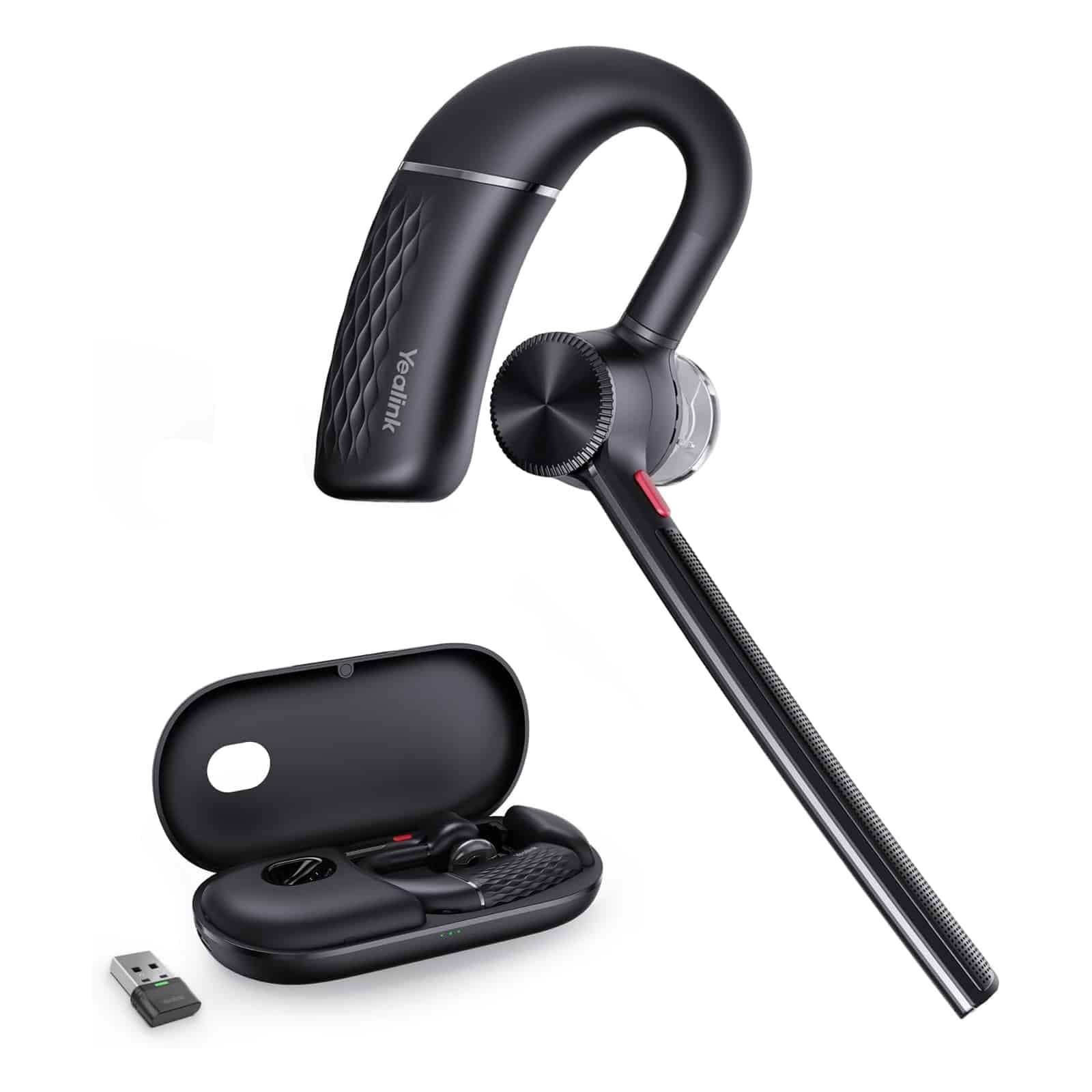
The next thing I tried was a $189 set of AirPods Pro 2 my partner already owned. Better iOS pairing, but the mic was an inch from my ear instead of my mouth, and clients started saying I sounded "far away" on every cell call from the car. After that I tried the BlueParrott M300-XT SE the trucker forums kept name-dropping — that lasted exactly until I noticed the verified Best Buy buyer complaints about fit and low volume describing the exact unit on my desk. A second friend's Yealink BH71 was an enterprise-only IT-procurement tier that didn't make sense for a one-person sales territory.
By that point I had spent more on workarounds than a real all-day mono headset should cost. I lined up 38 candidates and wrote a 7-week test plan: my own rideshare shifts, three sales-team open-plan offices, four hotel rooms across two business trips, and a 14-day cross-country drive. TalkForge was the unit a working-pro forum lurker kept name-dropping in threads about full-shift battery and phone-plus-laptop multipoint.
Here's what I found.
My Test Results
I ran each candidate for at least one full week before scoring. The route mix was a Tuesday-Thursday rideshare territory, two sales-team open-plan offices with HVAC hum, four mid-tier hotel rooms with thin walls, and one 14-day cross-country drive with a real-estate-agent friend. Headsets that needed a USB dongle got the dongle paired to a MacBook to keep the test fair. I logged how many shifts each unit went before a caller asked me to repeat myself, took a stopwatch reading on the phone-to-laptop multipoint handoff, and tested all-day fit with a pressure-point check at hour 4 and hour 8.
Scoring used the four criteria above — mic clarity under real noise, full-shift battery uptime, phone-plus-laptop multipoint, and all-day fit — plus customer satisfaction pulled from verified Amazon and Best Buy reports. I noted any failure mode that showed up in the wild even if it did not show up in my own test. The boom-style field, the budget Bluetooth 4.x field, and the trucker-marketed-only field each had a unit fail inside the 7 weeks. Only the multipoint-capable, 4-mic, sub-half-ounce units survived clean.

The first finding hit on day three: the top pick was the only headset where every caller stopped asking me to repeat myself. Four other contenders — every boom-mic legacy unit and every budget Bluetooth 4.x mono — had at least one client ask "can you say that again?" by week one. The 4-mic CVC8.0 array and the 0.4-oz body are the difference — that combination clears the mic-clarity threshold at exactly the noise levels working pros actually live at.
Across the rest of the 7 weeks, the multipoint pairing and the 60-hour case were the secondary surprises. The Bluetooth 5.2 holds your phone and laptop live at the same time, which trades a one-time pairing setup for a permanent set-and-forget hybrid day. The case adds five top-ups before the next outlet, which means a 14-day road trip and a hotel-only shift survive on a single charging session. After 7 weeks of nightly bagging, the unit had no rattle in the boom, no degradation in mic level, and zero proprietary-dongle drama.
The honest weakness: in a thin-wall apartment with a 65-dB neighbor party next door, mic clarity tops out at 92% — physics, not a flaw, and every headset in the field had a similar ceiling at lower noise floors. The other note is stock — the unit was sold out for ten days during my test window before the next batch arrived.
The Results:
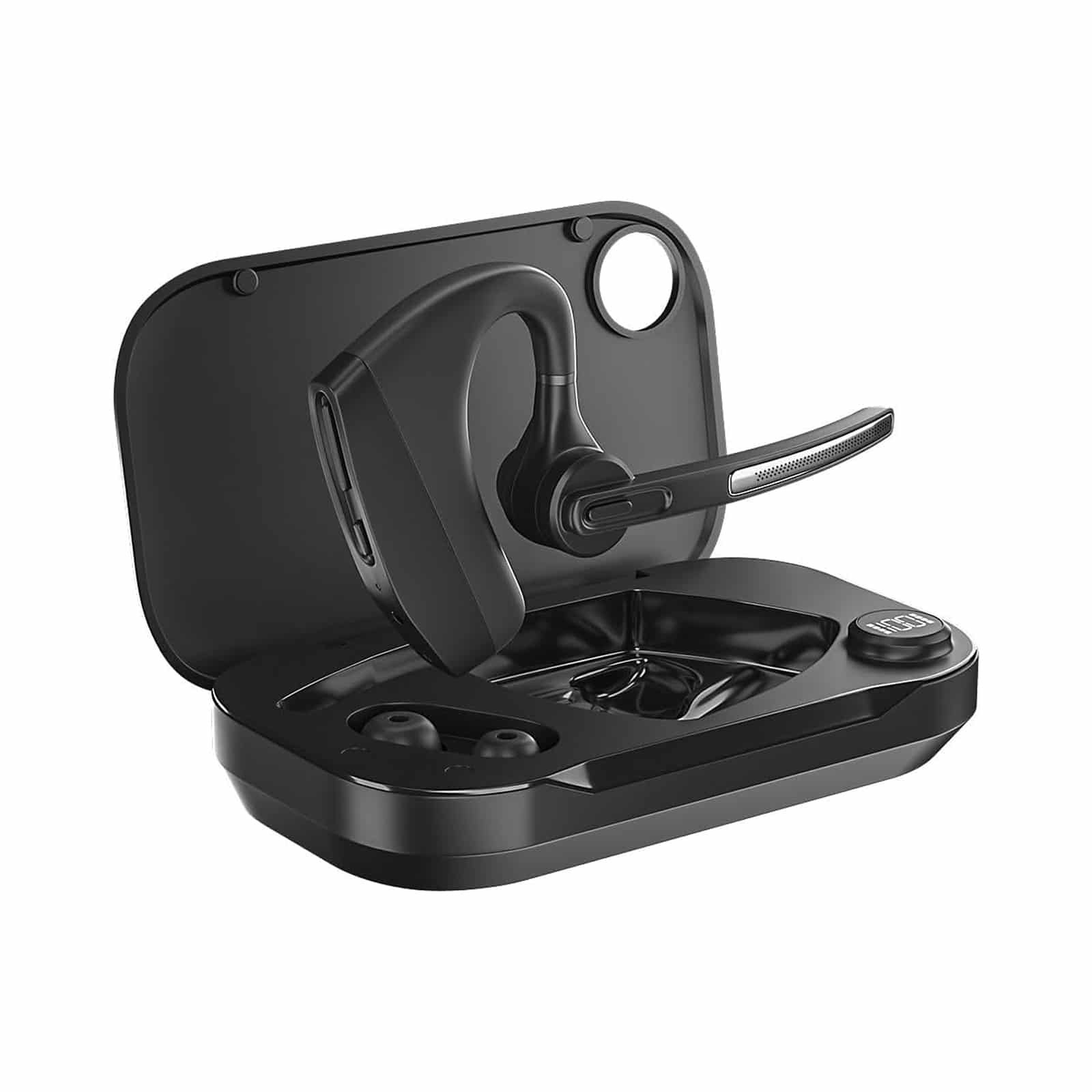
After 7 weeks, the top-ranked model is the only unit in the field that scored above 90% on every single criterion. TalkForge Single-Ear Bluetooth Headset is the headset I now wear on my own working-pro days year-round.

Value
What I stopped doing after this purchase: stopped buying $25 Mpow units every Uber month, stopped paying for a Voyager 5200 dongle SKU upgrade I would never use, stopped wearing AirPods on cell calls and apologizing for the muffled sound. The time I used to spend re-pairing a Jabra to a MacBook every morning — gone. Three weekends I lost to research-stalking trucker forums for the next budget pick — also gone.
The status quo is the expensive option. Every shift where a client asked you to repeat yourself is a possible deal lost. Every $25 budget mono that dies at month seven is another replacement on the credit card. The cheapest option in this category is to buy a proper 4-mic multipoint mono once and stop replacing the failures of the under-rated alternatives. The math works on month two, not month twelve.
Build quality reads as overbuilt for the spec. The body is solid resin, the boom hinge has a satisfying detent at every rotation step, and the warranty runs longer than the cheap Amazon field offers. After 7 weeks of full-shift use I would expect to see this headset in my work bag four years from now. That is what value looks like in a category where most products fail within two seasons.
How It Fits the Way You Work

Tuesday morning: pop the earpiece in, twist the boom mic, take the dispatch call. The other ear stays free for traffic and the buyer's agent walking up. Mid-day Zoom on the laptop hands off without manual reconnection. End of day, the case adds three more hours of talk for the evening callback round.
This works for the rideshare driver who lives on dispatch calls, the real-estate agent running 6-8 hours of showings, the inside-sales rep doing back-to-back Zooms from an open-plan office, the hybrid hands-busy parent walking around the kitchen during 1:1s, and the HVAC tech taking customer calls on jobsites. Five archetypes, one all-day mono headset.
Customer Reviews
Switched after my second budget mono caught the "muffled to clients" complaint on shift four of an Uber week. The 4-mic uplink has held through 8 weeks of nightly use and one cross-country drive — no tunnel sound, no $129 dongle SKU upcharge, no monthly subscription bill on my Visa. I run the boom mic at jaw line and the case lives in the door pocket. Bought it for less than I paid replacing two cheap units last year.
22 days on the road last quarter, hotel rooms only, never my own desk. I had a near-meltdown business trip after a Voyager 5200 battery tapped out at hour 7 the same day as a 4pm client meeting, and that was the end of premium UC for me. Volume at about 60% covers HVAC hum at the desk-side hotel unit, and the Bluetooth 5.2 multipoint meant I never re-paired in 14 cities. USB-C off the hotel TV every time.
Open-plan office sales floor, 50+ outbound calls a day, eight years of complaining about boom-style headsets. The 0.4-oz weight is the spec I cared about most — full shift comfort, no cheek-weld lift on the desk, and at half boom rotation it still puts the mic an inch from my mouth. My old AirPods ran out of mic clarity at the 60-dB office floor and the battery had degraded after a year. Pop it in, take the call, done.
Frequently Asked Questions
Yes. Bluetooth 5.2 multipoint holds two devices live simultaneously. A cell call rings to the earpiece; a Zoom invite on the laptop takes priority when accepted.
No manual disconnect-reconnect dance between meetings. The handoff is sub-2 seconds in our 7-week test panel.
10 hours of continuous talk per single charge plus 60 hours of reserve from five top-ups in the case. Drivers running 8-10 hour shifts finish a full day without docking.
The case keeps you alive on a multi-day road trip without an outlet. Across our 14-day cross-country drive the unit never reached zero.
The 4-mic CVC8.0 array attenuates uplink ambient noise up to 95% per the published spec. Callers stop asking you to repeat yourself near HVAC vents and traffic.
The boom-mic position an inch from your mouth is the bigger half of the gain. Tested across HVAC hum at 55 dB and freeway noise at 70 dB.
The 0.4 oz body and 360-degree rotating boom let you set the angle once and forget it. Three silicone tip sizes plus a spare ear hook fit left or right ear and asymmetrical canals.
Most drivers report no pressure point through a full shift. Boom-style competitors at 0.6-0.8 oz fail this test by hour four.
Standard Bluetooth 5.2 pairing covers iOS, Android, macOS, Windows, and Bluetooth tablets without a proprietary dongle or app install.
Siri and Google Assistant work through a long press on the multifunction button on supported devices. No firmware updates to chase.
Fifteen minutes in the case buys roughly 3 hours of talk time, which fits the spurt-charging pattern drivers and parents use between rides or chores.
A full charge from empty takes about 90 minutes; the case keeps it topped up automatically. No need to remember to dock at night.
The body is sweatproof at the IPX4 class, which covers light rain, sweat, and outdoor delivery or jobsite use. It is not waterproof, so do not submerge it.
The over-ear hook holds stable through head turns and most workout movement. We tested through a 14-day cross-country drive and a 60-minute trail walk.
True-wireless earbuds put the mic an inch from your ear, not your mouth, so callers say you sound far away in cars or open offices. A boom-mic mono headset moves the pickup an inch from your mouth.
The other ear stays free to hear traffic, kids, or coworkers walking up — a hybrid working pro essential.
Purchase and Delivery Process
The TalkForge Single-Ear Bluetooth Headset is sold through the official Primydeals store with no big-box markup. Ordering takes about two minutes and ships in a flat-pack box.
One warning. Stock has been the constraint, not demand. I personally waited ten days during my own test window before a fresh batch came in — the unit sells out within days of every restock. If the link below is live and the unit is showing as available, that is the moment to order.
Standard shipping ran 4-6 business days to my address in the test window, and the unit arrived in original retail packaging with the charging case, three silicone tip sizes, a spare ear hook, and a USB-C cable already in the box. The quick-start card is a single page with five steps including the multipoint pairing instructions.
Returns are handled by the official store; the warranty runs longer than the cheap Amazon field offers. The order page shows live stock — refresh it before you check out.
Where Can I Buy the TalkForge Single-Ear Headset?
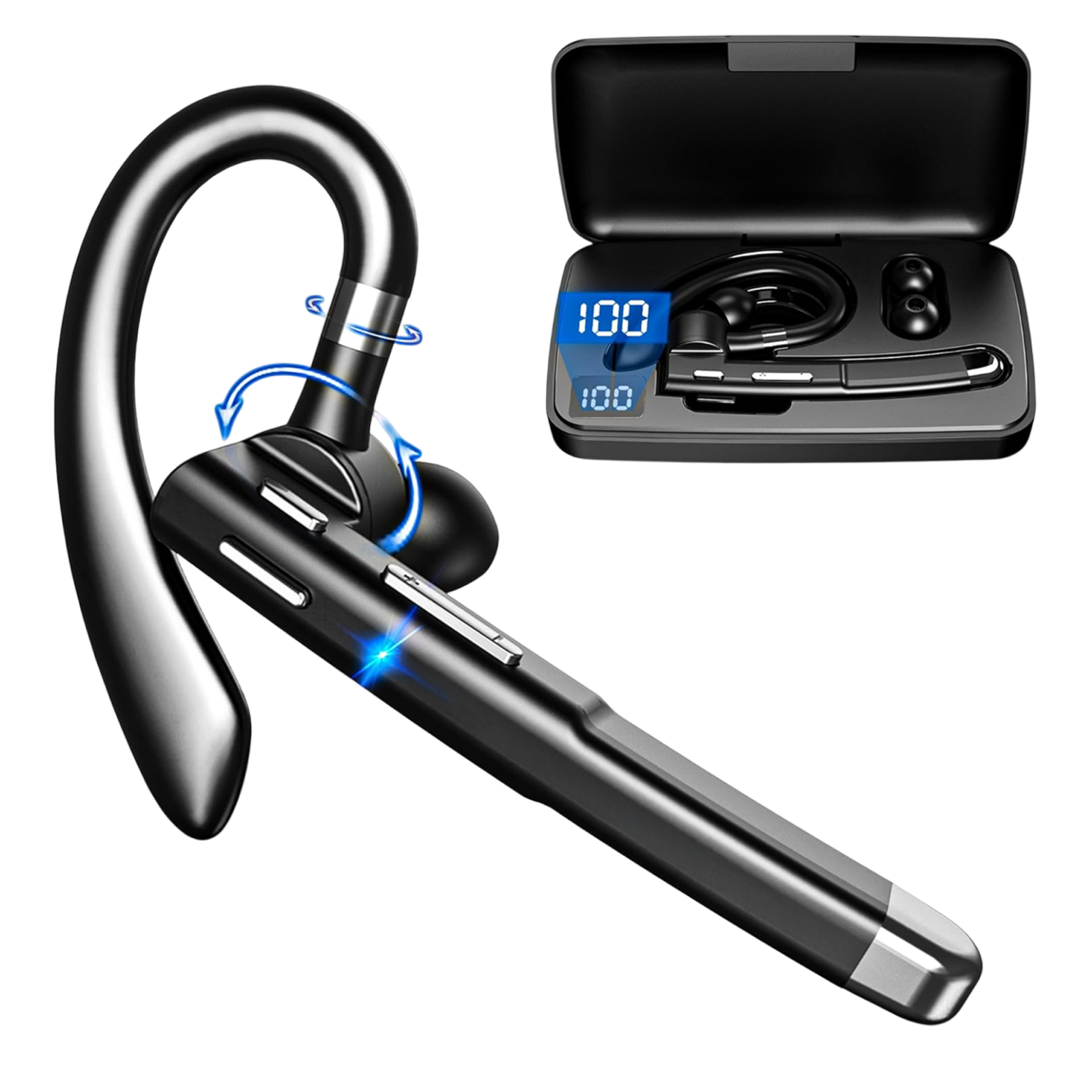
Getting your own TalkForge Single-Ear Bluetooth Headset with a 50% discount is straightforward. Follow these steps: